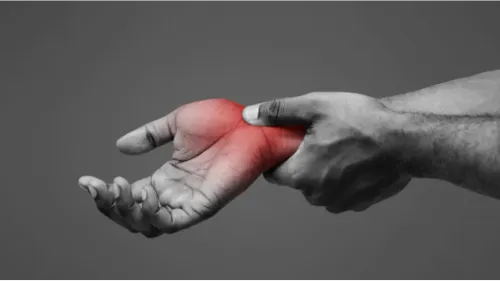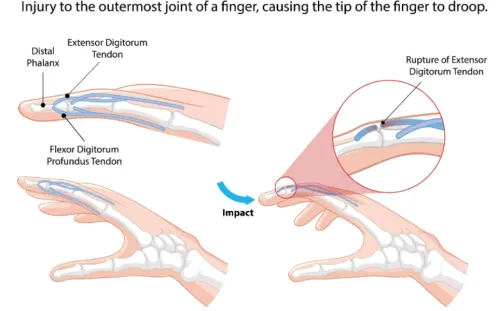

Tendons connect muscle to bone, allowing fine movements in the wrist and hand. Whether writing, lifting, or cooking, healthy tendons are key. But when injured—by trauma, cuts, or overuse—pain, swelling, and reduced mobility follow.
Prompt diagnosis and proper treatment are crucial for full recovery and avoiding lasting issues.
Common Causes of Tendon Injuries
Tendon injuries in this area may result from:
- Sharp lacerations (e.g., glass or knife wounds)
- Sports-related trauma or falls
- Repetitive movements or strain
- Inflammatory conditions such as tendonitis
The injury may involve inflammation, partial tears, or full ruptures.
Symptoms to Watch Out For
Signs of tendon injury include:
- Localized pain or tenderness
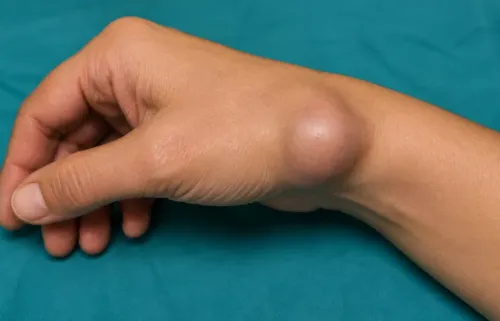
- Joint swelling or warmth
- Difficulty straightening fingers or wrist
- Snapping or popping sensation
- Reduced movement or visible deformity
Noticing these symptoms—especially after an injury—warrants immediate medical evaluation.
Treatment Options for Tendon Injuries
Dr. Nikita Shetty, an orthopedic surgeon in Mumbai, treats a range of tendon injuries. Diagnosis typically includes physical exams and imaging like ultrasound or MRI.
Treatment varies by severity:
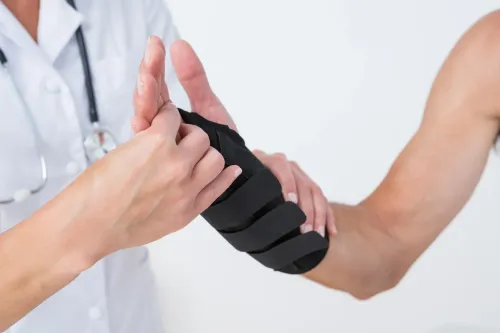
- Non-surgical care: Rest, splints, medication, and physiotherapy for milder cases
- Surgical intervention: For tendon rupture or deep lacerations, reconstruction may be necessary
The Role of Post-Surgery Rehabilitation
Recovery doesn’t stop at surgery. Rehab is vital for regaining strength and motion. It includes:
- Custom splinting
- Progressive mobility and strength training
- Guided physiotherapy with regular follow-ups
Dr. Shetty ensures each patient follows a structured plan to prevent stiffness or re-injury.
Don’t Delay Treatment for Tendon Injuries
Early care leads to better results. If you’ve had a tendon injury or are facing wrist or hand pain, don’t ignore it. Prompt treatment helps restore movement and comfort.
Keywords