Mumbai
08048050751
+919167423576

Dr Nikita Shetty Hand & Wrist Surgeon

about-cover-bg image
About Dr Nikita Shetty Orthopaedic Surgeon

The Best Hand And Wrist Reconstructive Surgeon in mumbai

Services
Featured Services

What We Do

Hand & Wrist Trauma Management

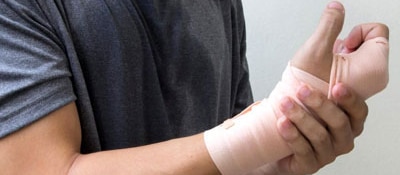
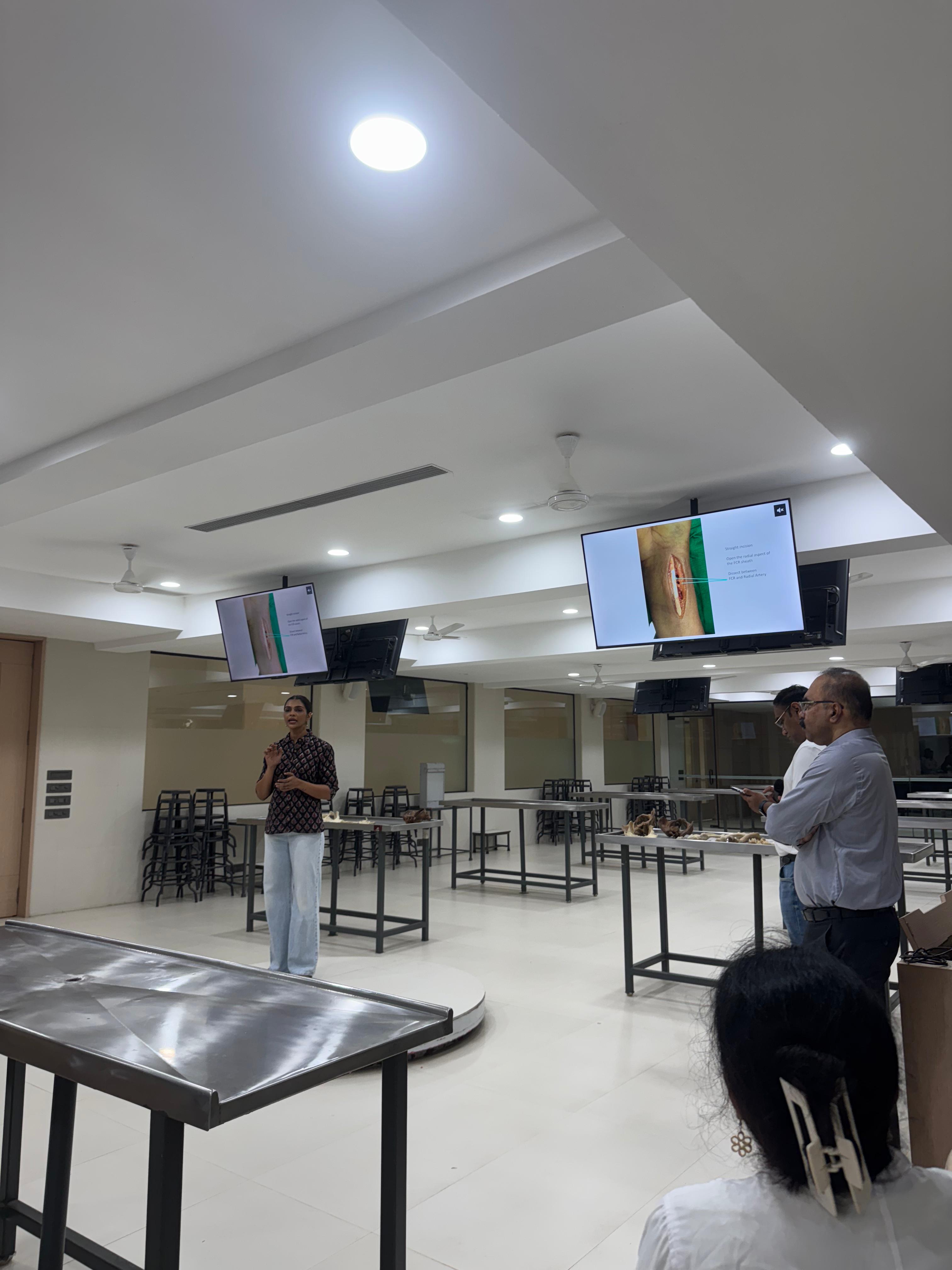
✋ Hand & Wrist Trauma Management Hand and wrist trauma is common and can involve bones, joints, tendons, ligaments, nerves, blood vessels, and skin. Due to the complexity and functional importance of the hand, prompt and precise treatment is essential to restore full function and prevent long-term disability. 🚨 Types of Hand & Wrist Trauma 🦴 Bone Injuries Fractures: Distal radius: Most common wrist fracture. Scaphoid: High risk of nonunion due to poor blood supply. Metacarpals & phalanges: Can cause rotational deformities if not aligned. Dislocations: Often involve PIP joints, carpometacarpal joints (especially thumb). Crush Injuries: May involve multiple structures—bone, soft tissue, and nerves. 🧵 Tendon Injuries Extensor tendons: More superficial, easily lacerated. Mallet finger, Boutonnière deformity if not treated properly. Flexor tendons: More complex due to multiple pulleys in the fingers. Require precise surgical repair and structured rehab. 🧠 Nerve Injuries Often accompany lacerations or crush injuries. Median, ulnar, and radial nerves commonly involved. Symptoms: Weakness, numbness, paresthesia. Early microsurgical repair or grafting if needed. 🩸 Vascular Injuries Involve digital arteries or radial/ulnar arteries. May cause ischemia or compromise replantation. Require microsurgical repair in severe cases. 🧬 Soft Tissue & Skin Loss Lacerations, degloving injuries, or burns. May need skin grafts, local flaps, or free tissue transfer for coverage. 🩺 Initial Assessment & Management Primary Survey (Trauma Protocols) Follow ATLS principles for polytrauma. Ensure life-threatening injuries are addressed first. Focused Hand Evaluation Inspect for deformity, wounds, swelling. Neurovascular status: Check sensation and capillary refill. Tendon testing: Active flexion/extension of joints. Imaging: X-rays (AP, lateral, oblique) CT or MRI for complex cases (e.g., scaphoid, ligamentous injuries) 🧰 Definitive Management 🔹 Fractures & Dislocations Closed reduction and splinting for simple injuries ORIF (Open Reduction Internal Fixation) for displaced or unstable fractures External fixation for complex or contaminated injuries 🔹 Tendon & Nerve Repair Timing is critical—early repair within 1–2 weeks preferred Microsurgical techniques for nerves and flexor tendons Tendon grafting or transfers for delayed repairs 🔹 Soft Tissue Coverage Use skin grafts, local flaps (e.g., thenar flap), or free flaps Vacuum-assisted closure (VAC) may help in wound management 🔹 Infection Control Debridement of open wounds Broad-spectrum antibiotics for contaminated or bite injuries Tetanus prophylaxis as needed 🧠 Rehabilitation & Recovery Early Hand Therapy Supervised by certified hand therapists (CHTs) Focus on range of motion, strengthening, and function Splinting: Static or dynamic splints based on injury Complications to Avoid Stiffness or contracture Malunion or nonunion Chronic pain (CRPS) Loss of fine motor skills 🧑‍⚕️ Specialist Involvement Hand surgeons (orthopedic or plastic) Occupational/physical therapists Reconstructive microsurgeons (for complex or avulsion injuries) 🧭 Key Goals of Trauma Management Restore form, function, and sensation Minimize pain, infection, and stiffness Return to daily activity, work, and recreation safely

Reconstructive Hand & Wrist Surgery

🛠️ Reconstructive Hand & Wrist Surgery Reconstructive hand and wrist surgery is a specialized area of orthopedic and plastic surgery focused on restoring function, appearance, and strength to the hand, fingers, and wrist after injury, disease, deformity, or congenital abnormalities. The complexity of the hand—with its bones, tendons, ligaments, nerves, and blood vessels—requires precise, often microsurgical techniques. ✅ Indications for Reconstructive Surgery 1. Trauma Fractures, dislocations Tendon or nerve lacerations Crush or avulsion injuries Amputations and replantations 2. Degenerative Diseases Osteoarthritis (OA) Rheumatoid arthritis (RA) Ligament instability (e.g., scapholunate) Collapsing wrist (e.g., SLAC/SNAC wrist) 3. Congenital Deformities Syndactyly, polydactyly, thumb hypoplasia Radial club hand 4. Tumors or Masses Ganglion cysts Bone or soft tissue tumors 5. Nerve Compression Carpal tunnel syndrome Cubital tunnel syndrome 6. Functional Loss Brachial plexus injury Stroke or cerebral palsy-related deformities Dupuytren’s contracture 🧰 Common Surgical Procedures 🔹 Fracture Fixation Plates, screws, or pins for metacarpal, phalangeal, or distal radius fractures Realignment to restore motion and grip strength 🔹 Tendon Repair or Transfer Flexor/extensor tendon repairs Tendon transfers for nerve palsies (e.g., radial nerve palsy → wrist drop correction) 🔹 Nerve Surgery Nerve grafts or conduits for traumatic injuries Microsurgical repair for sharp lacerations Nerve decompression (e.g., carpal tunnel release) 🔹 Joint Reconstruction or Fusion Arthroplasty (joint replacement) for small joints (e.g., MCP, PIP) Arthrodesis (fusion) for pain relief and stability Used in advanced arthritis or instability 🔹 Ligament and Soft Tissue Repair TFCC repair (Triangular Fibrocartilage Complex) Scapholunate ligament reconstruction Wrist stabilization for chronic instability 🔹 Flap Surgery / Free Tissue Transfer Soft tissue reconstruction using local or free flaps Microsurgical techniques for complex wounds 🔹 Amputation & Prosthetic Integration Revision of traumatic amputations Preparing the limb for functional prosthetics (e.g., myoelectric) 🧪 Advanced & Emerging Techniques 3D-printed bone and joint implants Arthroscopic wrist surgery (minimally invasive) Biologic injections (e.g., PRP, stem cells) Robotic-assisted microsurgery (experimental) 🧑‍⚕️ Multidisciplinary Approach Hand surgeons (plastic or orthopedic) Therapists for post-op rehabilitation Pain management specialists Rheumatologists or neurologists if underlying systemic disease 🎯 Goals of Reconstructive Surgery Restore mobility, strength, and coordination Minimize pain, stiffness, and deformity Improve independence and quality of life Optimize cosmetic appearance when possible

Congenital & Acquired Hand Deformities

✋ Congenital & Acquired Hand Deformities Hand deformities—whether congenital (present at birth) or acquired (developed later in life)—can significantly impact function, appearance, and quality of life. Treatment often involves a combination of reconstructive surgery, therapy, and sometimes prosthetics. 🧬 Congenital Hand Deformities These result from abnormal development in the womb, often due to genetic mutations, syndromes, or unknown causes. Common Types: 1. Syndactyly Fusion of two or more fingers. Can be simple (skin only) or complex (bones and tendons). Treatment: Surgical separation with skin grafting. 2. Polydactyly Extra digits (common in thumbs and little fingers). Can be preaxial (thumb side), postaxial (little finger side), or central. Treatment: Excision and reconstruction, often in infancy. 3. Radial Club Hand (Radial Deficiency) Underdevelopment or absence of the radius bone → wrist bends inward. Often associated with heart or kidney abnormalities. Treatment: Stretching, splinting, centralization surgery, tendon transfers. 4. Thumb Hypoplasia/Aplasia Underdeveloped or missing thumb. Graded I–V based on severity. Treatment: Tendon transfers, thumb reconstruction, or pollicization (index finger converted into a thumb). 5. Camptodactyly Non-traumatic flexion deformity, typically of the little finger. Treatment: Stretching, splinting, or surgical release if severe. 6. Cleft Hand (Ectrodactyly) “Split hand” or lobster-claw deformity. Central digit(s) missing, causing a cleft. Treatment: Reconstruction to improve grip and appearance. 🛠️ Acquired Hand Deformities These develop after birth due to trauma, disease, or repetitive stress. Common Causes: 1. Trauma Fractures, tendon/nerve injuries, burns. Treatment: Surgical repair, tendon transfers, bone grafts, microsurgery. 2. Arthritis Rheumatoid arthritis and osteoarthritis can lead to deformities like: Swan-neck deformity Boutonnière deformity Ulnar drift Treatment: Medication, splinting, joint reconstruction or fusion. 3. Dupuytren’s Contracture Thickening of fascia in the palm → fingers (esp. ring & little) curl toward palm. Treatment: Collagenase injections, needle aponeurotomy, or surgical fasciectomy. 4. Nerve Injuries Ulnar nerve → Claw hand Median nerve → Ape thumb Radial nerve → Wrist drop Treatment: Nerve repair, tendon transfers, bracing. 5. Cerebral Palsy / Stroke Spastic deformities due to neurological disorders. Treatment: Splinting, botulinum toxin, muscle/tendon balancing, surgical release. 🧠 Multidisciplinary Management Hand surgeons (plastic, orthopedic, or microsurgeons) Occupational/physical therapists Pediatricians and geneticists (for congenital cases) Rheumatologists or neurologists (for systemic or acquired causes) 🎯 Goals of Treatment Restore function (grip, dexterity, sensation) Improve appearance and psychosocial confidence Prevent further deformity or contracture Support independence and daily living activities

Need Trusted Second Opinion?

Not sure about your diagnosis or treatment plan? We're here to help.

Doctor's Profile Picture

Dr. Nikita Shetty

Dr. Nikita Shetty

MBBS, MS Orthopaedics
Mumbai

Speciality

Orthopaedic Surgeon / Hand & Wrist Surgeon


Education

MBBS, MS Orthopaedics


Experience

10 years


Mobile

9324036647

Memberships

11

Registration No

111

Image Gallery

Pictures That Speak

Testimonials
testimonial image

Dr. Nikita Shetty is an exceptional surgeon! She expertly treated my wrist fracture, and thanks to her skillful surgery ...

Read More
testimonial image

I had a severe tendon injury, and Dr. Shetty's expertise in microsurgery made all the difference. Her precision and post...

Read More