
✋ Reconstructive Hand & Wrist Surgery: Restoring Function, Strength, and Confidence
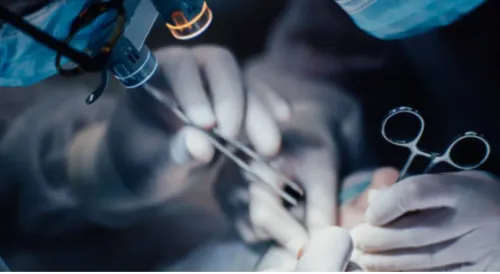
Our hands and wrists are essential tools for everyday life—whether typing on a keyboard, holding a cup, or expressing emotion through gestures. But when trauma, disease, or congenital conditions disrupt their function, it can deeply impact quality of life. That’s where reconstructive hand and wrist surgery comes in—a field dedicated to restoring form, function, and freedom to one of the most intricate and vital parts of the human body.
🔍 What Is Reconstructive Hand & Wrist Surgery?
Reconstructive surgery goes beyond just repairing injuries—it’s about restoring mobility, dexterity, strength, and appearance. It can address a wide range of issues, including:
Fractures or dislocations
Tendon or nerve injuries
Degenerative joint diseases (like arthritis)
Congenital deformities
Soft tissue injuries and scarring
Complex trauma or crush injuries
These procedures are often performed by highly specialized surgeons trained in microsurgery, plastic surgery, orthopedic hand surgery, or a combination of these fields.
🛠️ Common Conditions Treated
🦴 Traumatic Injuries
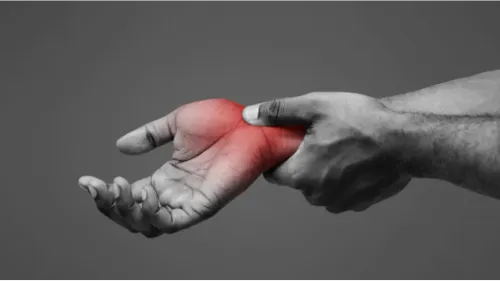
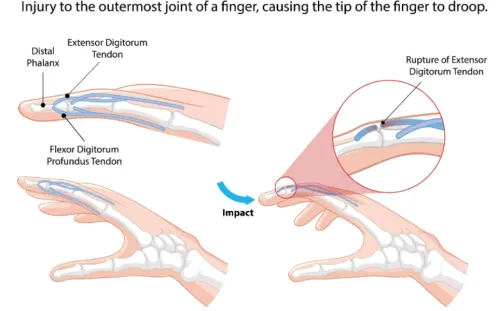
Falls, workplace accidents, and sports injuries can result in fractures, ligament tears, or tendon ruptures. Prompt surgical repair often restores full function and minimizes long-term complications.
🔁 Degenerative Conditions
Arthritis can lead to pain, joint deformities, and limited movement. Reconstructive options include joint replacement, fusion, or realignment procedures to relieve pain and restore hand use.
🧬 Congenital Deformities
Conditions like syndactyly (fused fingers) or polydactyly (extra digits) can be surgically corrected in childhood, improving function and appearance early in life.
✂️ Nerve & Tendon Injuries
Precise repair of severed nerves or tendons is critical to preserve hand function. In cases of nerve palsy, tendon transfers can restore lost motion.
🧤 Soft Tissue & Skin Loss
Severe injuries may require skin grafts or free tissue transfers using microsurgery to rebuild and cover damaged areas.
⚙️ Surgical Techniques & Innovations
Modern reconstructive hand surgery blends traditional craftsmanship with cutting-edge technology:
Microsurgery: Using high-powered microscopes to repair tiny nerves and blood vessels.
Tendon Transfers: Redirecting functioning muscles to restore lost movement.
Joint Replacement or Fusion: Treating arthritic or unstable joints.
Arthroscopy: Minimally invasive surgery for certain wrist conditions.
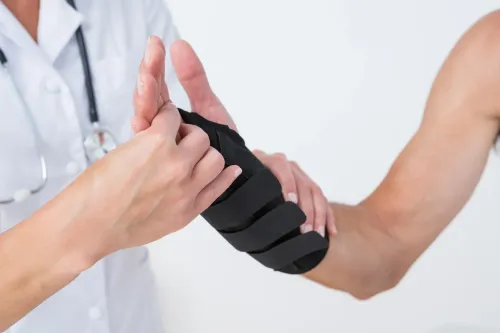
3D-printed implants and custom splints: For tailored reconstruction and support.
🧠 The Role of Rehabilitation
Surgery is just one part of the journey. Postoperative hand therapy—a combination of physical and occupational therapy—is vital for:
Regaining movement and strength
Preventing stiffness and scar contracture
Relearning fine motor skills
Achieving full functional recovery
The collaboration between surgeons and certified hand therapists ensures a personalized recovery plan for each patient.
💬 Real-Life Impact
Patients who undergo reconstructive hand surgery often report not just relief from pain, but a profound return to independence—from being able to button a shirt to holding a child’s hand again. For many, these surgeries are truly life-changing.
🧑⚕️ When to See a Specialist
If you’ve experienced a hand or wrist injury, are dealing with chronic joint pain, or were born with a hand deformity affecting function, it’s worth consulting a hand surgery specialist. Early evaluation can prevent long-term disability and open the door to advanced reconstructive options.
Our hands and wrists are essential tools for everyday life—whether typing on a keyboard, holding a cup, or expressing emotion through gestures. But when trauma, disease, or congenital conditions disrupt their function, it can deeply impact quality of life. That’s where reconstructive hand and wrist surgery comes in—a field dedicated to restoring form, function, and freedom to one of the most intricate and vital parts of the human body.
🔍 What Is Reconstructive Hand & Wrist Surgery?
Reconstructive surgery goes beyond just repairing injuries—it’s about restoring mobility, dexterity, strength, and appearance. It can address a wide range of issues, including:
Fractures or dislocations
Tendon or nerve injuries
Degenerative joint diseases (like arthritis)
Congenital deformities
Soft tissue injuries and scarring
Complex trauma or crush injuries
These procedures are often performed by highly specialized surgeons trained in microsurgery, plastic surgery, orthopedic hand surgery, or a combination of these fields.
🛠️ Common Conditions Treated
🦴 Traumatic Injuries
Falls, workplace accidents, and sports injuries can result in fractures, ligament tears, or tendon ruptures. Prompt surgical repair often restores full function and minimizes long-term complications.
🔁 Degenerative Conditions
Arthritis can lead to pain, joint deformities, and limited movement. Reconstructive options include joint replacement, fusion, or realignment procedures to relieve pain and restore hand use.
🧬 Congenital Deformities
Conditions like syndactyly (fused fingers) or polydactyly (extra digits) can be surgically corrected in childhood, improving function and appearance early in life.
✂️ Nerve & Tendon Injuries
Precise repair of severed nerves or tendons is critical to preserve hand function. In cases of nerve palsy, tendon transfers can restore lost motion.
🧤 Soft Tissue & Skin Loss
Severe injuries may require skin grafts or free tissue transfers using microsurgery to rebuild and cover damaged areas.
⚙️ Surgical Techniques & Innovations
Modern reconstructive hand surgery blends traditional craftsmanship with cutting-edge technology:
Microsurgery: Using high-powered microscopes to repair tiny nerves and blood vessels.
Tendon Transfers: Redirecting functioning muscles to restore lost movement.
Joint Replacement or Fusion: Treating arthritic or unstable joints.
Arthroscopy: Minimally invasive surgery for certain wrist conditions.
3D-printed implants and custom splints: For tailored reconstruction and support.
🧠 The Role of Rehabilitation
Surgery is just one part of the journey. Postoperative hand therapy—a combination of physical and occupational therapy—is vital for:
Regaining movement and strength
Preventing stiffness and scar contracture
Relearning fine motor skills
Achieving full functional recovery
The collaboration between surgeons and certified hand therapists ensures a personalized recovery plan for each patient.
💬 Real-Life Impact
Patients who undergo reconstructive hand surgery often report not just relief from pain, but a profound return to independence—from being able to button a shirt to holding a child’s hand again. For many, these surgeries are truly life-changing.
🧑⚕️ When to See a Specialist
If you’ve experienced a hand or wrist injury, are dealing with chronic joint pain, or were born with a hand deformity affecting function, it’s worth consulting a hand surgery specialist. Early evaluation can prevent long-term disability and open the door to advanced reconstructive options.
Keywords