
🦴 Living with Arthritis & Degenerative Conditions: What You Need to Know
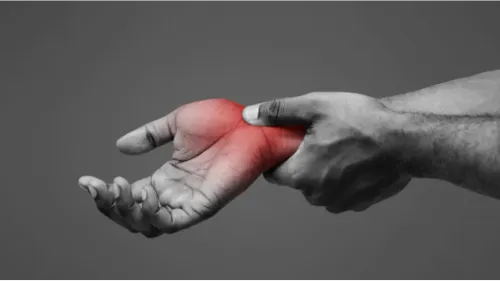
Joint pain, stiffness, and reduced mobility—these are symptoms millions of people face daily due to arthritis and other degenerative conditions. While they are often associated with aging, these disorders can affect people of all ages and lifestyles. The good news? With early diagnosis and comprehensive care, it’s possible to manage symptoms, slow progression, and maintain an active life.
🔍 What Are Arthritis and Degenerative Conditions?
Arthritis refers to inflammation of one or more joints, causing pain, swelling, and limited motion. There are more than 100 types, ranging from wear-and-tear forms to autoimmune diseases.
Degenerative conditions, on the other hand, involve the gradual breakdown of joints, cartilage, or connective tissue due to aging, injury, or disease.
🔄 Common Types You Should Know
🔹 Osteoarthritis (OA)
- Most common type of arthritis
- Caused by cartilage breakdown over time
- Affects knees, hips, hands, and spine
🔹 Rheumatoid Arthritis (RA)
- An autoimmune condition where the immune system attacks joint lining
- Can affect multiple joints symmetrically
- May cause fatigue and systemic inflammation
🔹 Degenerative Disc Disease
- Breakdown of spinal discs leading to back or neck pain
- Can cause nerve compression or spinal stenosis
🔹 Spondylosis
- Age-related wear and tear of the spine
- Often leads to stiffness and decreased mobility
🔹 Psoriatic Arthritis
- Occurs in some people with psoriasis
- Can affect both the skin and joints
🔹 Gout
- Caused by uric acid crystal buildup in joints
- Often affects the big toe, knees, or ankles
🧬 What Causes These Conditions?
- Aging: Natural wear and tear on joints
- Genetics: Family history can increase risk
- Injuries: Past trauma may accelerate joint degeneration
- Autoimmune disorders: In cases like RA and lupus
- Obesity: Adds stress to joints, especially knees and hips
- Repetitive stress: Occupational or athletic overuse
🩺 How Are They Diagnosed?
Diagnosis typically includes:
- Medical history & physical exam
- X-rays, MRI, or CT scans to assess joint damage
- Blood tests (for inflammatory markers, autoantibodies)
- Joint aspiration to test for gout or infection
💊 Treatment Options
🧘♂️ Non-Surgical Management
- Medications:
- NSAIDs for pain and inflammation
- DMARDs and biologics for autoimmune types
- Physical therapy:
- Improves strength and mobility
- Joint injections:
- Corticosteroids or hyaluronic acid
- Lifestyle modifications:
- Weight loss, low-impact exercise (e.g., swimming, yoga)
- Anti-inflammatory diet
🔧 Surgical Treatment
- Arthroscopy: Minimally invasive joint cleanup
- Joint replacement (arthroplasty): For severe OA of the hip, knee, or shoulder
- Joint fusion (arthrodesis): Provides pain relief in certain joints
- Spinal surgery: For nerve compression or spinal instability
🌱 Emerging & Regenerative Therapies
- Platelet-Rich Plasma (PRP)
- Stem cell therapy (still largely experimental)
- Biologics targeting immune response in RA and PsA
- Robotic-assisted joint surgery
🧑⚕️ Who Manages These Conditions?
- Rheumatologists: Specialize in autoimmune and inflammatory arthritis
- Orthopedic surgeons: Focus on surgical and structural repair
- Physiatrists (PM&R): Non-surgical rehab and pain specialists
- Physical/occupational therapists: Support mobility and daily function
🎯 Living Well with Arthritis
While arthritis and degenerative conditions can’t always be cured, they can be managed effectively with the right approach:
- Stay active—but choose joint-friendly exercises
- Eat a balanced, anti-inflammatory diet
- Maintain a healthy weight
- Don’t ignore early warning signs—early treatment can prevent long-term damage
- Prioritize mental well-being—chronic pain affects mood and mental health
Keywords