Persistent hand or wrist pain can become frustrating when temporary measures repeatedly provide relief but the problem keeps returning. At this stage, the key question is often no longer 'How can I reduce the pain today?' but 'What is actually causing it?'
Patients seeking treatment for painful wrist and hand conditions in Chembur benefit from an assessment that distinguishes between bone, joint, tendon, ligament, and nerve problems.
Signs You May Need a More Detailed Evaluation
Consider specialist assessment when symptoms have persisted for several weeks, repeatedly return, or are progressively limiting function.
Important indicators include:
- Pain after an old or recent injury
- Recurrent wrist swelling
- Reduced grip strength
- Persistent finger stiffness
- Clicking or locking
- Night-time numbness
- Difficulty rotating the wrist
- Pain during lifting or weight-bearing
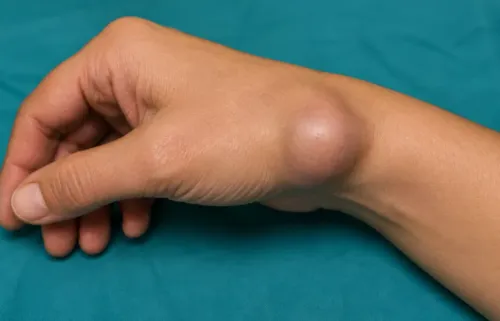
- A lump that is painful or increasing in size
- Inability to perform normal occupational tasks
These symptoms can occur with several different conditions, making self-diagnosis difficult.
Look for Diagnosis Before Procedure Selection
A consultation should establish a likely diagnosis before moving directly toward an injection, surgery, or prolonged medication.
The evaluation may include medical and injury history, location of pain, movement testing, joint stability, grip, tendon function, sensation, and examination of specific painful areas.
X-rays are appropriate for many bone and joint conditions. Ultrasound, MRI, nerve studies, or other investigations may be considered when clinically indicated.
Understand Conservative and Surgical Options
Many hand and wrist conditions can initially be managed without surgery. Depending on the diagnosis, treatment may involve activity modification, splinting, rehabilitation, medication, or other targeted measures.
Surgery becomes relevant for selected structural conditions, unstable injuries, significant nerve compression, tendon disruption, persistent mechanical symptoms, or problems that have not responded adequately to suitable non-operative treatment.
The important point is that treatment intensity should match the diagnosis.
Choose Care Around Function, Not Pain Alone
Pain scores provide only part of the picture. Two people with similar discomfort can have very different functional limitations.
A person who cannot type comfortably has different requirements from someone who cannot operate machinery, perform surgery, play a musical instrument, lift a child, or participate in sport.
Chembur's diverse working population makes this functional assessment particularly relevant.
Dr Nikita Shetty Orthopaedic Surgeon provides evaluation for wrist and hand conditions with attention to diagnosis, structural findings, and the effect symptoms have on everyday hand use.
Persistent wrist or hand pain does not always lead to surgery. What it does warrant is a clear understanding of the underlying problem. Once the cause is identified, patients can make better-informed decisions about conservative care, rehabilitation, further investigation, or surgical treatment when appropriate.
Keywords