A straightforward fracture and a complex wrist or hand injury can require very different levels of treatment planning. When a fracture enters a joint, is significantly displaced, involves several bones, or occurs alongside tendon, nerve, or soft-tissue damage, selecting appropriate specialist care becomes particularly important.
When choosing a Wrist and Hand Fracture surgeon in Lower Parel, patients should look beyond whether a clinic simply treats broken bones.
Look for Detailed Hand and Wrist Assessment
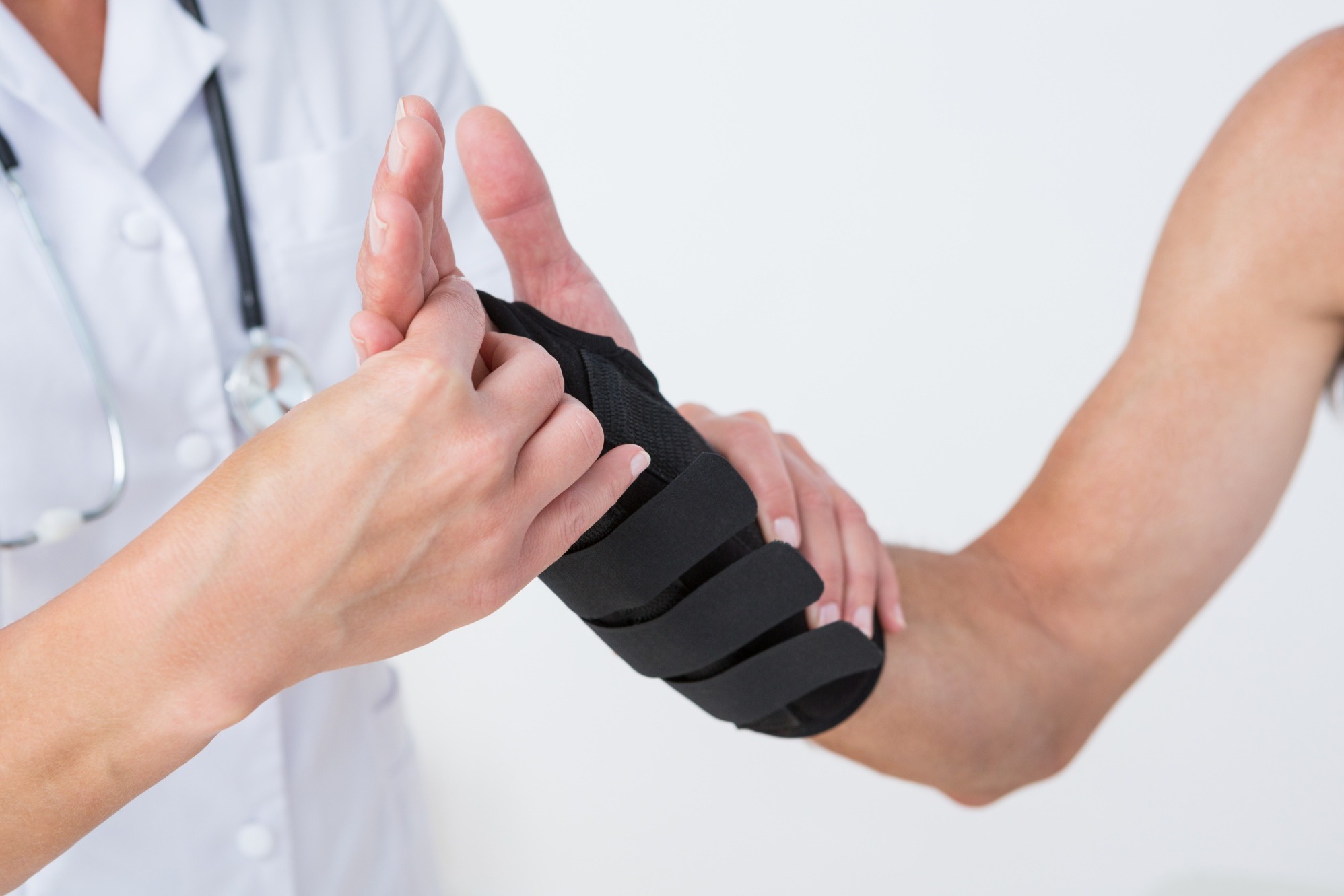
The wrist and hand contain many small structures that work together. Complex injuries require assessment of more than the fracture line.
A thorough evaluation may consider:
- Bone alignment
- Joint surface involvement
- Wrist stability
- Finger movement
- Tendon function
- Nerve sensation
- Blood circulation
- Skin and soft-tissue condition
This is especially important following crush injuries, high-energy falls, road accidents, and open fractures.
Ask Why a Particular Treatment Is Recommended
Good treatment planning should explain why conservative or surgical management is being considered.
Useful questions include:
- Is the fracture stable?
- Does it involve a joint?
- What happens if it heals in its current position?
- Is surgery necessary, or is immobilisation reasonable?
- What rehabilitation may be required?
- When can work and routine hand use resume?
The answers vary by fracture and should be specific to the patient's injury.
Consider Functional Requirements
Treatment should also account for what the patient needs to do with the hand.
A musician, dentist, sportsperson, factory worker, homemaker, computer professional, and elderly patient may have different functional priorities even when their X-rays appear similar.
For Lower Parel patients, commuting and return-to-work requirements can also affect practical decisions about immobilisation, follow-up appointments, and rehabilitation.
Understand the Role of Follow-Up
Fracture treatment does not end when a cast is applied or an operation is completed.
Some fractures can lose alignment during healing. Others may become stiff. Follow-up imaging, wound assessment when relevant, and progressive rehabilitation can therefore form important parts of care.
Dr Nikita Shetty Orthopaedic Surgeon provides assessment for wrist and hand fractures in Lower Parel, including injuries where alignment, joint involvement, or associated structural damage requires closer evaluation.
When selecting a surgeon after a complex injury, prioritise a clear diagnosis, explanation of available options, attention to hand function, and a defined recovery plan. The right treatment decision is not necessarily the most aggressive option; it is the approach that appropriately matches the fracture pattern, stability, patient needs, and expected functional demands.
Keywords