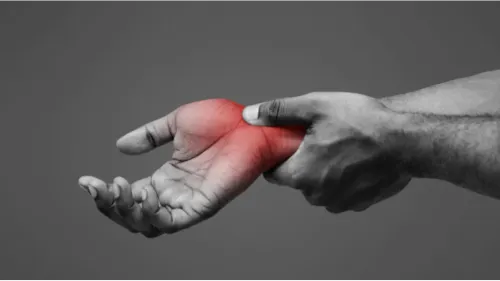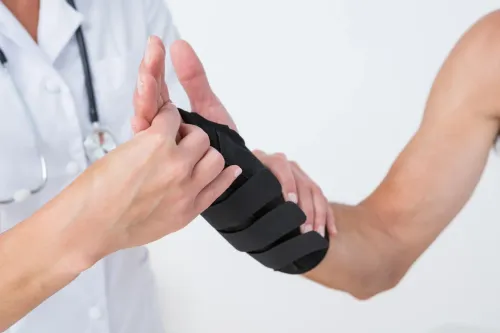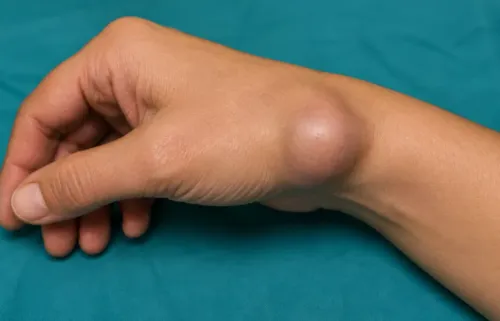
A visible change in wrist or hand alignment does not automatically mean surgery is necessary. The decision becomes more relevant when the deformity causes pain, limits movement, weakens grip, affects finger coordination, or progressively interferes with everyday activities.
For patients considering Wrist and Hand Deformity Correction in Lalbaug, understanding the reason for correction is more important than focusing only on appearance.
Functional Problems Are an Important Indicator
One of the first questions is whether the deformity actually affects how the hand works.
Surgical assessment may be appropriate when there is:
- Persistent pain associated with altered alignment
- Difficulty gripping or pinching
- Restricted wrist or finger movement
- Progressive loss of function
- Joint instability
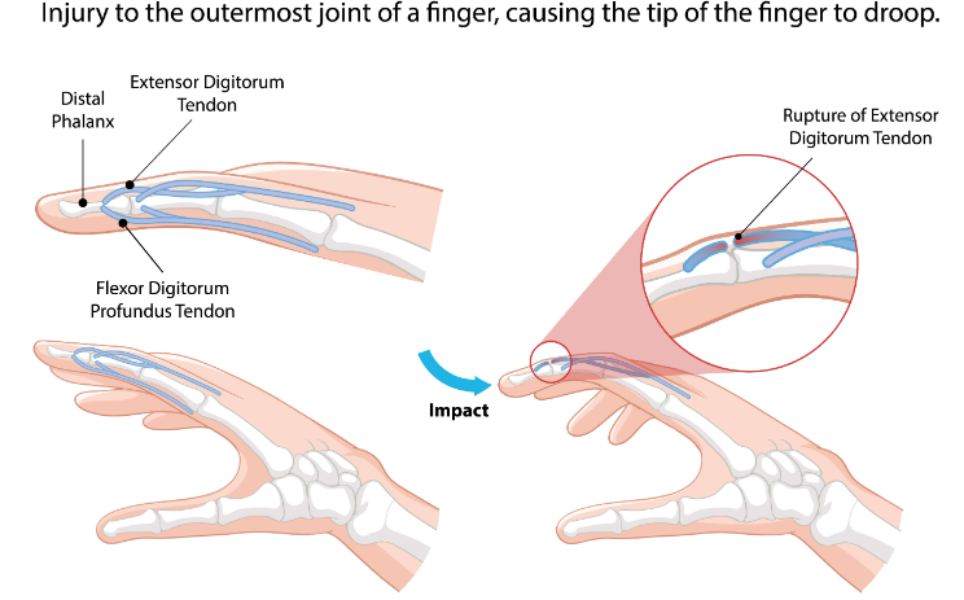
- Tendon imbalance
- Nerve symptoms
- Difficulty performing occupational tasks
A deformity following a previously healed fracture is one example where bone alignment may affect joint mechanics and movement.
The Cause Determines the Procedure
There is no single operation called deformity correction that applies to every patient.
If a bone healed in an unsuitable position, correction may involve realigning the bone. If tendons are contributing to abnormal finger posture, tendon reconstruction or balancing may be considered. Joint damage, contractures, or nerve problems require different strategies.
This is why appropriate imaging and clinical examination come before procedure selection.
Questions to Discuss Before Surgery
Patients should understand several points before proceeding:
- What structure is causing the deformity?
- Is the main objective pain reduction, improved movement, stability, or alignment?
- Are non-operative options reasonable?
- What improvement is realistically expected?
- What rehabilitation will be required?
- How could the procedure affect work and daily activities?
These discussions help align treatment expectations with the actual structural problem.
Recovery Planning Matters
Correcting alignment is only part of the process. After surgery, tissues need time to heal and joints may require structured rehabilitation.
The duration of splinting and restrictions depends on the procedure. Return to driving, office work, sports, or manual employment also varies.
For patients travelling across Lalbaug for treatment, planning follow-up and rehabilitation in advance can make the recovery process more manageable.
At Dr Nikita Shetty Orthopaedic Surgeon, evaluation of wrist and hand deformities considers the underlying structural cause, symptoms, functional limitations, and individual goals before treatment is recommended.
Surgery is generally a considered decision rather than an automatic response to visible deformity. When altered alignment is causing meaningful functional difficulty, specialist assessment can establish whether correction is feasible, what it would involve, and whether its expected benefits justify the rehabilitation required.
Keywords