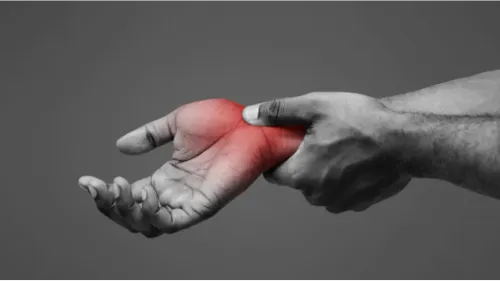

Many people associate arthritis with aging, but joint changes can affect adults of different age groups depending on lifestyle, previous injuries, genetics, and underlying health conditions. When arthritis develops in the hands or wrists, everyday activities such as opening jars, buttoning clothes, writing, or holding a mobile phone may gradually become more difficult. Recognizing the early symptoms of Arthritis of Hand & Wrist can help individuals seek timely evaluation and manage the condition more effectively.
Arthritis refers to inflammation and gradual wear of the joints. In the hand and wrist, this process may affect one or multiple joints, leading to pain, stiffness, swelling, and reduced flexibility. Osteoarthritis commonly develops due to age-related joint changes or previous injuries, while inflammatory forms of arthritis may arise from autoimmune conditions.
The earliest signs often appear gradually rather than suddenly. People may notice occasional discomfort during activities, only to find that the pain becomes more frequent over time.
Common early symptoms include:
- Morning stiffness lasting several minutes
- Pain while gripping or lifting objects
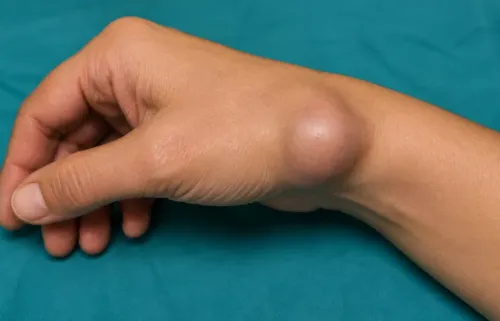
- Swollen finger joints
- Reduced flexibility of the wrist
- Difficulty making a fist
- Weak grip strength
- Clicking or grinding sensations during movement
- Increased discomfort during cold weather
As arthritis progresses, everyday tasks that once seemed simple may require greater effort. Activities such as cooking, typing, gardening, carrying shopping bags, or turning door handles can become increasingly uncomfortable.
Several factors may increase the risk of developing arthritis in the hands and wrists:
- Advancing age
- Previous fractures or joint injuries
- Family history of arthritis
- Repetitive occupational activities
- Certain inflammatory medical conditions
- Long-term joint stress
Diagnosis generally involves understanding symptom patterns, examining joint movement, and reviewing imaging studies such as X-rays. Blood investigations may sometimes be advised when inflammatory arthritis is suspected.
Treatment is usually individualized based on the severity of symptoms and the specific joints involved. Management options may include:
- Lifestyle modifications
- Hand exercises
- Physiotherapy
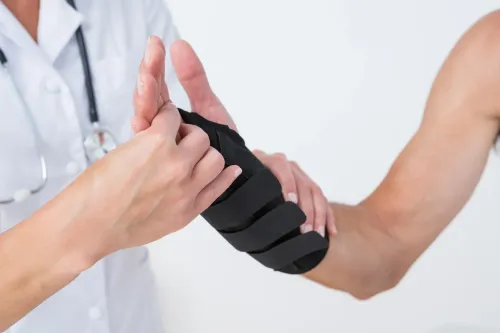
- Splints for selected joints
- Anti-inflammatory medications when appropriate
- Joint protection techniques
- Surgical intervention in advanced cases
Many people delay seeking medical advice because they assume stiffness is simply part of getting older. However, early diagnosis can help slow functional decline, reduce discomfort, and preserve hand movement for longer.
For individuals in Parel, maintaining good hand function is essential for work, commuting, household responsibilities, and recreational activities. Addressing symptoms early may prevent further joint damage and improve long-term quality of life.
Dr Nikita Shetty Orthopaedic Surgeon assesses patients experiencing arthritis of the hand and wrist with a focus on preserving joint function and recommending treatment plans tailored to each individual's needs and lifestyle. Depending on the condition, management may range from conservative therapies to surgical options when necessary.
Persistent joint pain or stiffness should not be ignored. Seeking timely medical evaluation can help identify arthritis in its earlier stages, allowing appropriate treatment to begin before daily activities become significantly affected.
Keywords