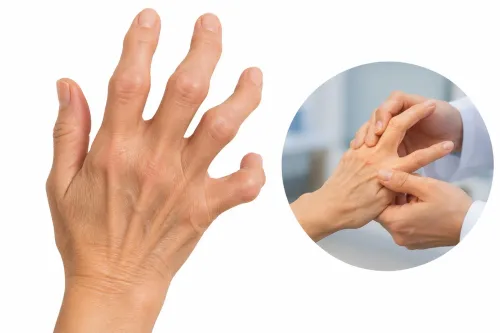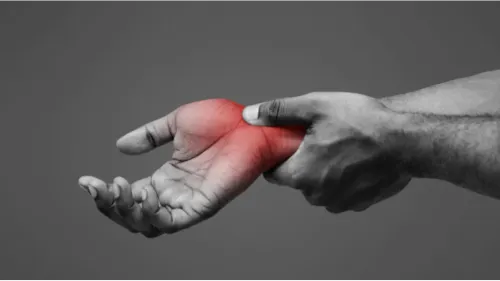

Treatment may take a few weeks for symptom improvement, several months after surgery, or longer when inflammatory arthritis requires ongoing medical management. By separating diagnosis, non-surgical care, injections, surgery and rehabilitation, you can set realistic expectations for pain relief, daily activities, work and maximum recovery.
Key takeaways
- Diagnosis must rule out nerve, tendon and cervical-spine conditions.
- Non-surgical treatment needs time for pain relief and function to improve.
- Surgery recovery depends on the procedure, joint involved and work demands.
- Confirm review dates, restrictions and return-to-work milestones before treatment.
What happens during the first appointment and diagnosis?
The first appointment identifies the painful joint and distinguishes arthritis from a nerve, tendon or cervical-spine problem before anyone estimates treatment time. The specialist will ask when pain began, whether morning stiffness or swelling occurs, which tasks are difficult and whether an injury preceded the symptoms.
Examination covers movement, tenderness, grip, alignment, sensation and tendon function.
Bring these items:
- Previous X-rays, scans and consultation reports
- Medication names, doses and allergies
- A list of affected activities, such as writing, cooking, driving or opening jars
- Details of numbness, night symptoms, weakness or dropped objects
Plain hand or wrist X-rays often show joint-space loss, bone changes and alignment, and nearby diagnostic facilities may arrange them promptly. Ask when the images and any later reports will be reviewed; clinic queues, imaging availability and report turnaround vary across South Mumbai.
| Test | What it clarifies | When it is used |
|---|---|---|
| X-ray | Joint-space loss, bone changes and alignment | Initial arthritis assessment |
| Rheumatoid factor, anti-CCP, ESR and CRP | Evidence supporting inflammatory arthritis | Several swollen joints or prolonged morning stiffness |
| Ultrasound or MRI | Tendons, soft tissue and early joint damage | X-rays do not explain symptoms |
| Nerve-conduction testing | Nerve compression or injury | Numbness, night symptoms, weakness or dropped objects |
Several joints, previous trauma or an uncertain diagnosis make the appointment longer. This is the first step in estimating hand and wrist arthritis treatment time south in Mumbai.
How long does non-surgical arthritis treatment take to show results?
Expect several weeks, not one or two days, before a clinician can judge non-surgical treatment for uncomplicated osteoarthritis. Hand arthritis care in South Mumbai may combine activity modification, a joint-specific splint, topical or oral pain medicine when medically appropriate, and hand therapy.
1. Modify tasks that repeatedly load the painful joint, then use the splint as instructed. It limits the movement that triggers pain but cannot reverse cartilage loss. Wearing it continuously without guidance can cause stiffness and weakness.
2. Therapy may start with gentle movement and swelling control, then progress to grip, pinch and task training. You may manage daily activities more easily before the pain disappears, so treatment can continue intermittently when it controls symptoms.
3. If one joint remains painful, a corticosteroid injection may provide temporary relief, but its effect varies and it is not a cure. Repeated injections are not an unlimited plan; the clinician must balance possible skin, tendon, cartilage and infection risks against the benefit.
Arrange reassessment when pain remains function-limiting after an appropriate trial, symptoms worsen, swelling spreads or the diagnosis becomes doubtful. Seek prompt assessment for a hot, rapidly swollen joint, fever, a wound or bite, new marked numbness, or sudden loss of finger movement. Do not wait through a routine timeline for these warning signs.
Why does the diagnosis change the treatment timeline?
The diagnosis changes the timeline because thumb-base, finger-joint, wrist and post-traumatic arthritis do not follow one schedule. Osteoarthritis is usually managed around the painful joint; inflammatory arthritis also requires control of the underlying disease.
| Diagnosis | Why the timeline differs | What usually happens next |
|---|---|---|
| Thumb-base arthritis | Pain often responds before surgery is considered. | Use a thumb splint, change aggravating activities and begin hand therapy; reassess over several weeks. |
| Finger-joint arthritis | The key decision is whether preserving motion or improving stability matters more. | Examine the specific joint before choosing therapy, injection or surgery. |
| Wrist arthritis | Damage may affect separate wrist joints. Partial fusion, total fusion and wrist replacement preserve different amounts of movement and have different recovery periods. | Obtain targeted wrist imaging before comparing procedures. |
| Post-traumatic arthritis | Altered alignment, old fractures or ligament damage can make reconstruction more detailed. | Review prior injuries and bone alignment before estimating treatment time. |
Several swollen joints, prolonged morning stiffness or matching symptoms in both hands point toward inflammatory arthritis such as rheumatoid arthritis. Rheumatology referral matters because disease-modifying medication and broader medical management can change the timeline before hand surgery.
Numbness, night symptoms, weakness or dropping objects may indicate carpal tunnel syndrome or cervical nerve compression instead. Nerve assessment, sometimes with nerve-conduction testing, can replace an arthritis-only plan. Therefore, arthritis of hand and wrist treatment south in Mumbai should begin with a confirmed diagnosis, not a generic recovery estimate.
If surgery is needed, when can you use the hand or wrist again?
Surgery is considered when pain and loss of function remain substantial despite appropriate non-surgical care, or when advanced damage makes other options unsuitable. An X-ray alone does not decide; your symptoms, examination and daily demands matter.
| Option | Main trade-off | Recovery considerations |
|---|---|---|
| Thumb-base trapeziectomy or CMC reconstruction | Relieves painful thumb-base loading while requiring splinting | Hand therapy follows splinting; useful daily function often returns over several months, while maximum strength and comfort take longer |
| Partial or total wrist fusion | Improves grip stability by sacrificing some or all wrist flexion and extension | Bone healing and rehabilitation extend well beyond the operation |
| Wrist replacement | Preserves more wrist motion than fusion for selected patients | Activity restrictions remain, and later implant-related problems are possible |
The damaged joints, bone quality, age, work demands and surgeon assessment determine whether replacement, partial fusion, total fusion or another procedure fits. Therapy progresses from wound and swelling care to protected motion, then strengthening. Desk work, driving, manual work and heavy lifting each need separate clearance.
When choosing a wrist arthritis specialist south in Mumbai, ask:
- Does the surgeon regularly perform hand and wrist reconstruction?
- Who provides certified hand therapy?
- When are postoperative reviews scheduled?
- Who manages complications if pain, swelling or wound problems develop?
Dr Nikita Shetty Orthopaedic Surgeon can be considered alongside other appropriately trained specialists by comparing these practical details, not by choosing from an X-ray report alone.
Related service
Arthritis & Degenerative Conditions Arthritis & Degenerative Conditions 🦴 Arthritis & Degenerative Conditions These terms refer to disorders that progressively damage the joints, cartilage, bones, and connective tissues,... View service → |
What timeline should you confirm before starting treatment in South Mumbai?
Ask for four separate estimates before treatment starts: when pain relief might begin, when light daily activity is likely, when you can return to your specific work and when maximum recovery is expected. This gives you a realistic hand and wrist arthritis treatment time south in Mumbai, rather than one vague promise.
For hand arthritis care south in Mumbai, confirm these practical details:
- How quickly consultation, X-rays, blood tests, an injection and follow-up can be arranged. Appointment and operating-room availability affect scheduling, not healing.
- Whether the surgeon personally performs hand and wrist reconstruction, and whether a certified hand therapist is available.
- Whether you will receive a written splint schedule, medicine precautions, therapy appointments, driving guidance and lifting restrictions.
- If surgery is proposed, ask what happens if pain persists, how often reviews occur during wound and bone healing, and who manages complications.
- Seek urgent review for a hot or rapidly swollen joint, fever, a recent wound or bite, sudden finger immobility or new severe numbness.
Compare procedures by the function they preserve:
| Option | Main benefit | Main trade-off |
|---|---|---|
| Fusion | Stability and reduced painful movement | Permanent loss of movement |
| Replacement | Preserves more wrist motion | Different restrictions and possible later implant problems |
A clear plan should name the painful joint, explain alternatives and set reassessment milestones.
Frequently asked questions
What happens during the first appointment for hand or wrist arthritis?
The specialist reviews your pain, stiffness, swelling, injury history and difficult tasks. They examine the hand, wrist and nerve function, then use imaging or other tests when needed to distinguish arthritis from tendon, nerve or cervical-spine problems.
How long does non-surgical arthritis treatment take to show results?
The timeline depends on the diagnosis, severity and treatment plan. Ask when to expect the first review, which improvement to track, and when the plan will change if pain, stiffness or function has not improved.
Why can the diagnosis change the arthritis treatment timeline?
Thumb-base arthritis, wrist arthritis, inflammatory arthritis, tendon disease and nerve compression need different treatments. A correct diagnosis determines whether you need activity changes, medication, splinting, therapy, injections or surgery.
When can you use your hand or wrist again after arthritis surgery?
Use returns in stages and depends on the operation, healing, therapy and your work. Confirm when you can move the joint, drive, lift, type, return to work and resume heavier activity before surgery.
Keywords