Recovery after hand deformity treatment depends on what was repaired: bone, tendon, nerve, joint, skin, or more than one structure. You will learn what to do during the first 72 hours, how splints and therapy change over time, how to measure useful progress, and when a symptom needs urgent review.
Key takeaways
- Follow the surgeon’s splint and exercise schedule exactly.
- Keep the hand elevated during the first 72 hours.
- Track finger motion, pinch, grip and daily tasks—not appearance alone.
- Report worsening pain, colour change, numbness or drainage promptly.
Why recovery time depends on the deformity and the procedure
Recovery after hand deformity correction is staged, and the operation determines how quickly you move between stages. A straight-looking finger may still have swelling, scar sensitivity, stiffness and temporary weakness, so judge progress by motion, grip, pinch and daily function—not the scar alone.
- Wound protection and swelling control come first. Skin and soft-tissue procedures often allow gentle movement once the surgeon permits it, while a flap, graft or burn reconstruction may need longer protection.
- Bone correction follows bone healing. A fracture malunion or joint realignment may require a splint or cast for several weeks, with strengthening delayed until imaging and examination show adequate stability.
- Tendon reconstruction follows a carefully timed movement programme. Early forceful stretching can separate a repair; controlled exercises protect tendon continuity while limiting adhesions and stiffness.
- Nerve recovery follows a different clock. After nerve repair, sensation and muscle control return gradually over months, and the final result depends on the injury, repair site and distance to the target muscle.
- Strength and dexterity return last. Therapy progresses from protected movement to active use, strengthening and tasks such as writing, gripping tools or fastening clothing.
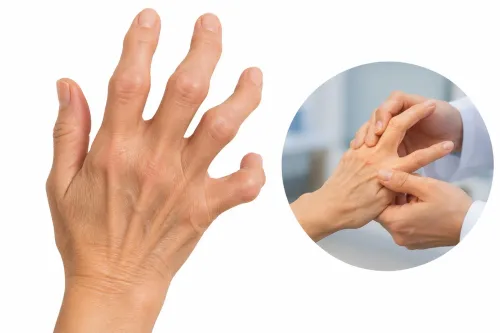
Congenital deformity, arthritis, Dupuytren disease, burns, infection, nerve injury and fracture malunion require different reconstructive plans. During hand deformity correction Bandra consultations, ask for best, typical and worst expected outcomes, the therapy schedule, time away from work, and the possibility of further surgery.
Recovery is a trade-off: more motion can reduce stability, while a stronger repair can limit movement.
The first 72 hours: protect the repair without causing stiffness
During the first 24 hours, keep the operated hand above heart level on pillows, including while resting. Elevation limits swelling and throbbing; let the elbow and wrist rest comfortably rather than forcing them into a bent position.
Protect the dressing, splint, or cast exactly as instructed. Keep it clean and dry, do not insert objects underneath it, and do not cut or tighten it yourself. A wet dressing can soften the skin, while a tight splint can restrict circulation.
- Take prescribed pain medicine at the instructed dose and interval. Do not add aspirin, ibuprofen, or another medicine unless your surgical team approves it.
- Move only the fingers specifically permitted in your plan. A flexor tendon repair, joint reconstruction, nerve procedure, and fracture fixation each need different limits.
- Keep the splint on during permitted walking and sleep. Remove it only when your instructions allow removal for exercises or hygiene.
- Avoid gripping, lifting, pushing, pulling, smoking, and resting the cast on a hard edge during the first 72 hours.
Too little movement can create stiffness and tendon adhesions; forceful stretching or an unprotected load can rupture a fresh repair. For hand for deformity recovery Bandra, follow the surgeon–therapist protocol rather than internet exercises.
Seek prompt review for worsening pain or swelling, a pale, blue, cold, numb, or newly immobile finger, wound separation, pus, fever, or a sudden snap followed by lost function.
How splinting and hand therapy restore movement and useful strength
A splint protects the repair while therapy prevents the joints from becoming fixed in the wrong position. Wear the custom splint for the prescribed hours, including during sleep if instructed; removing it early or adjusting it yourself can stretch a tendon, disturb bone alignment, or increase swelling.
Movement begins within the limits set by the operation. A therapist may prescribe protected tendon-gliding exercises, isolated joint movements, or gradual range-of-motion work. Do not force a stiff finger against fresh stitches or a healing tendon. The correct exercise can restore glide; the wrong force can reopen or lengthen the repair.
Control swelling and scar sensitivity alongside movement, not afterward. Elevate the hand above your heart, use prescribed compression or a removable oedema glove, and perform frequent short exercise sessions. Once the wound is fully closed, scar massage, silicone gel or a silicone sheet can soften adhesions and reduce tenderness.
Progress then shifts toward useful strength and coordination:
- Begin resistance only when healing and motion allow it; grip putty or weights too early can inflame the repair.
- Practise pinch, grasp, release and object rotation before heavier work.
- Repeat tasks such as buttoning, writing, lifting a cup or using tools to build dexterity.
- After a tendon transfer, motor re-education teaches the muscle a new job, so awkward early movement does not prove failure.
Therapy can continue for months after the incision looks healed. Objective measurements of finger motion, grip, pinch and task performance guide progression in acquired hand deformity care Bandra.
How to measure progress and recognise a complication
Swelling, stiffness, scar sensitivity and temporary weakness are expected after reconstruction. They should gradually ease, but forceful stretching against a fresh repair can cause harm. A healed incision does not prove that tendon glide, joint movement or useful strength has returned.
Measure progress with the same tests at each review, rather than judging the scar in a mirror.
| Measure | Improvement to look for | What the result reveals |
|---|---|---|
| Active and passive motion | More movement, with less difference between the two | Tendon glide and joint stiffness |
| Grip and pinch | Stronger, more controlled grasp without increased pain | Useful hand power |
| Sensation and circulation | Stable or improving feeling, colour and warmth | Nerve and blood-vessel status |
| Daily tasks | Easier buttoning, writing, lifting a cup or using tools | Practical function |
| Motor pattern after tendon transfer | Smoother, more independent movement | Motor re-education, not just finger position |
Early tendon-transfer movements can look awkward while your brain learns the muscle’s new job. Hand therapy may continue for months after the wound closes.
Contact your surgical team promptly for:
- Increasing pain or swelling
- A pale, blue or cold finger
- New loss of movement or sensation
- Wound separation, pus or fever
- A sudden snap followed by loss of function
These signs can indicate circulation trouble, infection or repair failure. Do not respond by tightening or removing the splint unless your surgical team instructs you.
Choosing a recovery plan with a Bandra hand reconstruction specialist
The right plan matches the deformity’s cause, tissue condition and your daily tasks—not just the appearance of the hand. Ask whether the problem comes from fracture malunion, tendon or nerve injury, burns, arthritis, Dupuytren disease, infection or a congenital difference.
In a consultation with Dr Nikita Shetty Orthopaedic Surgeon, ask:
- Which operation addresses my actual diagnosis, and what happens if passive movement is already restricted?
- Will I need contracture release, bone correction, tendon reconstruction, nerve work or staged procedures?
- When does protected movement begin, how long will I wear the splint, and who will coordinate my therapy?
- Does the plan include a certified hand therapist, custom splinting and objective measurements of motion, grip, sensation and task performance?
- What are the best, typical and worst results, and could I need further surgery?
A tendon transfer cannot replace a joint that is fixed or a scarred soft-tissue envelope that cannot glide. Compare the proposed priority with its cost:
| Priority | Likely benefit | Trade-off |
|---|---|---|
| Motion | Easier reach and finger use | Less stability or strength |
| Stability | Better grip and load-bearing | Reduced movement |
| Sensation | Safer handling and feedback | Nerve recovery takes longer |
| Appearance | Straighter or more balanced form | Function may not improve equally |
Bring photographs of difficult tasks, your work demands and previous scans. That evidence helps a hand reconstruction Bandra consultation produce goals you can test in daily life rather than promises based on appearance alone.
Related services
Congenital & Acquired Hand Deformities Congenital & Acquired Hand Deformities ✋ Congenital & Acquired Hand Deformities Hand deformities—whether congenital (present at birth) or acquired (developed later in life)—can... View service → |
Reconstructive Hand & Wrist Surgery Reconstructive Hand & Wrist Surgery 🛠️ Reconstructive Hand & Wrist Surgery Reconstructive hand and wrist surgery is a specialized area of orthopedic and plastic surgery focused on... View service → |
Frequently asked questions
Why does recovery time vary after hand deformity correction?
Recovery depends on the deformity, the tissues repaired and the procedure performed. Bone fixation, tendon repair, nerve surgery and soft-tissue reconstruction each require different protection and therapy timelines.
What should you do during the first 72 hours after surgery?
Protect the repair, keep the hand elevated, follow wound-care instructions and move only the joints your surgeon has cleared. Do not remove or alter a splint without guidance.
How do splinting and hand therapy restore movement and strength?
A splint holds healing tissues in the required position, while supervised therapy gradually restores joint motion, tendon glide, pinch, grip and useful hand function.
Which signs indicate a complication during hand deformity recovery?
Contact your surgical team about worsening pain, increasing swelling, blue or pale fingers, new numbness, fever, wound drainage or a splint that becomes tight.
How do you choose a recovery plan with a Bandra hand reconstruction specialist?
Ask which structures were treated, how long protection will last, when therapy begins, which movements are restricted and how progress will be measured.
Related services
Hand & Wrist Trauma Management Hand & Wrist Trauma Management ✋ Hand & Wrist Trauma Management Hand and wrist trauma is common and can involve bones, joints, tendons, ligaments, nerves, blood vessels, and skin. View service → |
Post Op Rehabilitation & Functional Recovery Post Op Rehabilitation & Functional Recovery “Post-Op Rehabilitation & Functional Recovery” refers to the structured process of helping a patient regain strength, mobility, and function after a... View service → |
Arthritis & Degenerative Conditions Arthritis & Degenerative Conditions 🦴 Arthritis & Degenerative Conditions These terms refer to disorders that progressively damage the joints, cartilage, bones, and connective tissues,... View service → |
Advanced Microsurgery & Nerve Surgery Advanced Microsurgery & Nerve Surgery “Advanced Microsurgery & Nerve Surgery” refers to a specialized field of surgery that focuses on intricate procedures involving very small anatomical... View service → |
Keywords