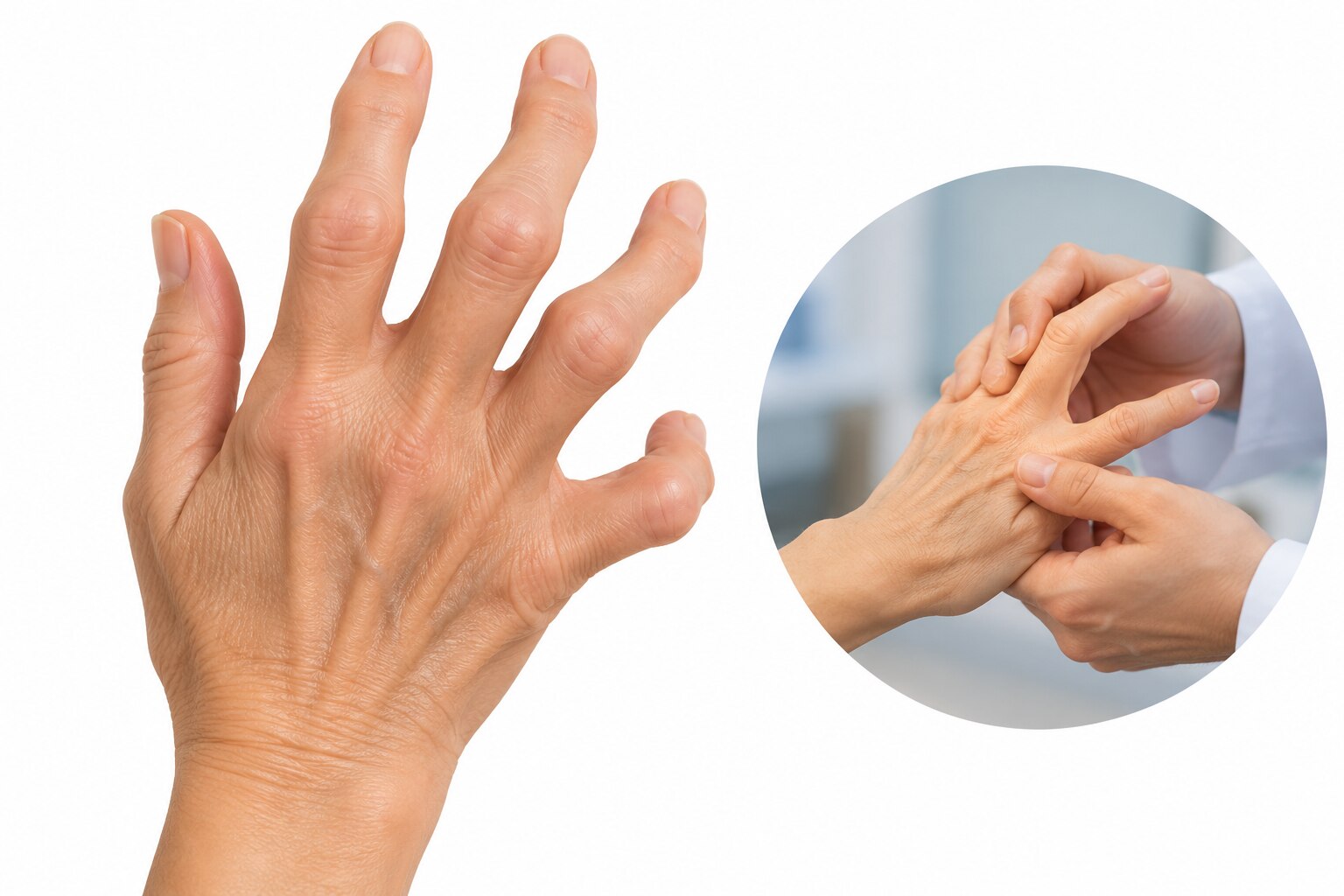
The process starts with a detailed comparison of both hands, not a decision based on appearance alone. By the end, you will know what happens at assessment, how doctors choose between observation and reconstruction, what surgery and therapy involve, and how to prepare for care in South Mumbai.
Key takeaways
- Bring details of onset, previous injuries, numbness and tasks you cannot perform.
- Congenital deformities and acquired deformities require different treatment plans.
- Compare expected function, surgical risks, recovery time and rehabilitation demands.
- Ask when you can drive, work, lift and use the hand normally again.
The first consultation maps the deformity and its cause
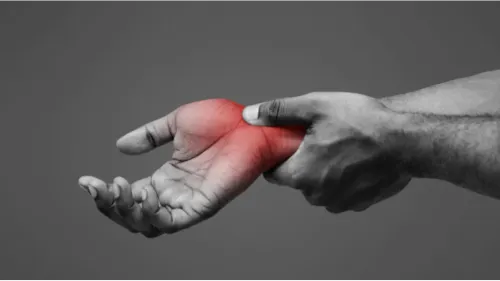
The first appointment identifies whether the deformity was present from birth or developed later, when it began, and how it has changed. Tell the surgeon about previous fractures or operations, pain, numbness, your dominant hand, occupation, and the exact tasks you cannot perform.
For anyone researching the south hand for deformity treatment process in Mumbai, this history helps separate a structural problem from a tendon, joint or nerve problem.
| Assessment | What the surgeon checks | What it helps explain |
|---|---|---|
| Both hands | Finger alignment, skin, scars, swelling and circulation | Differences in shape, blood flow or previous injury |
| Movement and strength | Tendon glide, grip, joint stability, active and passive movement | Whether weakness comes from bone position, tendon imbalance or stiffness |
| Nerves | Sensation, numbness and weakness | Possible nerve dysfunction |
| X-rays | Bone alignment, joint surfaces and old fracture healing | Malunion, arthritis or displaced joints |
| Ultrasound, CT or MRI | Tendon movement or masses; three-dimensional bone detail; selected tendons, cartilage, scar tissue or hidden bone problems | Which soft-tissue or bone structure needs treatment |
| Nerve-conduction studies and electromyography | Electrical nerve and muscle function | Nerve injury causing altered sensation or weakness |
Active movement shows what you can do yourself; passive movement shows whether the examiner can move the joint or tendon for you. The surgeon orders tests to answer a specific question, so you do not automatically need every scan.
Congenital and acquired deformities follow different treatment logic
A child’s hand is still growing, so congenital hand deformity treatment in South Mumbai is planned around future function, not appearance alone. An acquired deformity needs a different investigation because the visible bend is usually the result of another problem.
1. For congenital differences, the surgeon assesses growth, developing bones, tendon balance and whether joined or misplaced fingers interfere with one another. Polydactyly, syndactyly, radial-sided deficiency, and an absent or underdeveloped thumb have different operations and timing.
2. Observation can be safer when a child’s hand function is developing well. Separation of joined digits, thumb reconstruction, or correction of a joint imbalance becomes time-sensitive when growth could worsen the deformity or the digits restrict each other. Selected children also need assessment of the forearm, elbow, heart or kidneys.
3. Acquired hand deformity correction in South Mumbai begins by identifying the mechanical cause, not by simply straightening the finger. Fracture malunion, tendon adhesion or rupture, nerve injury, burns, infection, Dupuytren contracture, inflammatory disease and arthritis require different plans. Nerve, blood-vessel, skin or soft-tissue damage can increase urgency and alter the reconstruction sequence.
Arthritis-related deformity may respond better to disease control, splinting or joint-focused treatment than to post-traumatic reconstruction.
Some deformities need staged correction rather than one operation. The priority is to restore useful movement while protecting growth, tissue health and the structures that still work.
The treatment decision weighs function, risk and rehabilitation capacity
Surgery is worthwhile when pain, worsening deformity, poor alignment or a defined task limitation outweighs the risks and rehabilitation workload.
1. Compare non-operative care first. A stable deformity with good function may need observation, activity modification, a custom splint, hand therapy, pain control or treatment of arthritis, inflammation or another underlying condition. Operating on a hand that works well can trade a cosmetic improvement for stiffness, weakness or a scar.
2. Discuss the trade-offs in specific terms. Ask about expected function, possible loss of movement, anaesthesia, immobilisation, recovery time, repeat procedures and therapy visits. Surgery becomes premature or unsafe with untreated infection, uncontrolled diabetes, another uncontrolled illness, unrealistic goals or no reliable way to complete postoperative therapy.
3. Match the operation to the cause. Options include contracture release, corrective osteotomy, tendon transfer or grafting, ligament reconstruction, joint reconstruction or fusion, bone grafting, skin grafting, flap coverage and nerve repair. A scarred or delayed nerve injury may require a graft or nerve transfer; long-standing denervation makes recovery less predictable.
Complex injuries may need staged reconstruction rather than one extensive operation.
Before scheduling, review medicines, allergies and medical conditions, make a smoking-cessation plan, improve diabetes control and arrange transport after anaesthesia. Plan time away from work or caregiving, obtain the required splint and confirm hand-therapy access. Baseline photographs or measurements help distinguish genuine functional improvement from a straighter appearance.
Surgery day and the first weeks determine the rehabilitation pathway
On surgery day, the team confirms consent, the planned side and procedure, marks the operative site, and discusses local, regional or general anaesthesia. After correction or reconstruction, your hand receives a dressing, splint or cast that protects the repaired bone, tendon, nerve, vessel or soft tissue.
Discharge instructions cover elevation, prescribed pain relief, keeping the dressing dry and the first review. Wound checks and dressing changes come first; stitch removal is often planned after the wound has healed enough. Protected movement and hand therapy then start according to the repair.
| Procedure | Early priority | Main risk to avoid |
|---|---|---|
| Tendon or joint repair | Controlled movement and therapy | Adhesions, stiffness or rupture from excessive force |
| Bone correction | Splint or cast protection while fixation unites | Loss of alignment or fixation |
| Nerve reconstruction | Protection and long-term review | Expecting immediate sensation or movement |
Nerve recovery is slow: regenerating axons advance about 1 millimetre per day, and results depend on the distance to the target, age, and muscle condition. Long-standing denervation lowers predictability.
Ask when you can drive, return to desk or manual work, lift objects and resume caregiving. For hand deformity surgery south in Mumbai, compare hospital access after anaesthesia, follow-up frequency, hand-therapy availability, and coordination of microsurgery or nerve reconstruction. Dr Nikita Shetty Orthopaedic Surgeon should be assessed against those practical needs, not location alone.
Seek urgent review for increasing redness, drainage, fever, severe pain, new numbness, a pale or blue finger, lost movement or a tight splint.
Related services
Congenital & Acquired Hand Deformities Congenital & Acquired Hand Deformities ✋ Congenital & Acquired Hand Deformities Hand deformities—whether congenital (present at birth) or acquired (developed later in life)—can... View service → |
Reconstructive Hand & Wrist Surgery Reconstructive Hand & Wrist Surgery 🛠️ Reconstructive Hand & Wrist Surgery Reconstructive hand and wrist surgery is a specialized area of orthopedic and plastic surgery focused on... View service → |
Plan the time, questions and expectations before you commit
Before you consent, assemble the records and practical information that will shape the treatment plan. Bring prior X-rays, CT or MRI images and reports, nerve-test results, operation notes, a medication and allergy list, details of diabetes or other illnesses, and photographs showing how the deformity has changed.
Write down the hand activities you want to regain:
- Fastening buttons or typing
- Lifting a child
- Playing an instrument
- Returning to a specific job
Ask these questions:
- Which bone, tendon, joint, nerve or scar causes the deformity?
- What happens if I do nothing?
- What improvement is realistic?
- Could I need staged or repeat operations?
- How long will the splint stay on?
- How many therapy visits are expected, and who provides them?
- Is follow-up and hand therapy close enough for me to attend consistently?
Plan for consultations, imaging, preoperative assessment, surgery, immobilisation, repeated therapy and reduced work or caregiving capacity.
| Planning point | Confirm | Why it matters |
|---|---|---|
| Function | Target tasks, not appearance alone | A straighter hand may still be stiff or weak |
| Risks | Scars, altered sensation, infection, adhesions, nonunion, malunion, complex regional pain syndrome and recurrence | Dupuytren contracture can recur |
| Recovery | Splint duration, therapy schedule and review dates | Excessive force can damage repairs; prolonged immobilisation causes stiffness |
The final result may take months to judge.
Frequently asked questions
What happens during the first hand deformity consultation?
The surgeon identifies whether the deformity is congenital or acquired, records when it began and changed, and reviews pain, numbness, previous injuries, operations, hand dominance and affected tasks.
How does treatment differ for congenital and acquired hand deformities?
Congenital deformities are assessed in relation to development and existing hand structure. Acquired deformities are assessed alongside the injury, disease or surgery that caused them, so the treatment logic differs.
What factors influence the decision to have hand deformity surgery?
The decision weighs the function you want to restore, surgical risks, expected benefit and your ability to complete the rehabilitation programme.
What should I expect after hand deformity surgery?
Surgery and the first few weeks establish the rehabilitation pathway. Ask about splinting, exercises, wound care, time away from work and when you can resume driving, lifting and daily tasks.
Related services
Post Op Rehabilitation & Functional Recovery Post Op Rehabilitation & Functional Recovery “Post-Op Rehabilitation & Functional Recovery” refers to the structured process of helping a patient regain strength, mobility, and function after a... View service → |
General Appointment ₹2500 General Appointment |
Keywords