The nerves in the hand play a vital role in sensation, strength, and precise movement. When these nerves are damaged, everyday tasks such as writing, buttoning clothes, holding a phone, or picking up small objects can become surprisingly challenging. Understanding how Nerve Injuries are evaluated helps patients know what to expect and why timely diagnosis is important.
Hand nerve injuries commonly occur due to cuts, crush injuries, fractures, dislocations, sports accidents, or workplace trauma. In some situations, prolonged pressure on a nerve may also lead to weakness or altered sensation over time.
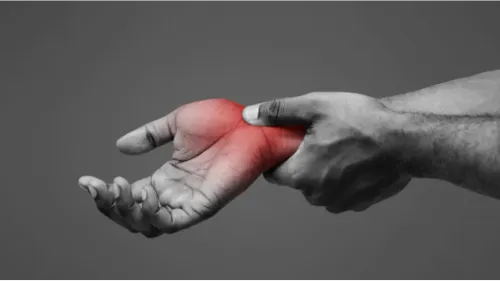
The symptoms vary depending on which nerve is affected and the severity of the injury. Some people notice symptoms immediately after an accident, while others experience gradual changes.
Common signs of a nerve injury include:
- Numbness in the fingers
- Tingling or 'pins and needles' sensations
- Reduced grip strength
- Difficulty moving specific fingers
- Loss of fine motor control
- Burning pain
- Reduced ability to feel temperature or touch
During a consultation, the specialist begins by understanding the nature of the injury and how the symptoms developed. A detailed examination follows, focusing on muscle strength, finger movement, sensation, reflexes, and circulation. Comparing both hands often helps identify subtle differences in function.
Depending on the findings, additional investigations may be recommended, including:
- X-rays to identify associated fractures
- Ultrasound for certain soft tissue injuries
- MRI when deeper structures need evaluation
- Nerve conduction studies and electromyography to assess nerve function
These investigations help determine whether the nerve is bruised, compressed, stretched, or completely divided. The treatment plan is then tailored according to the type of injury.
Management may include:
- Observation for mild nerve bruising
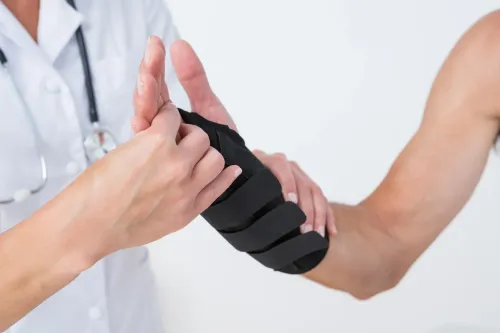
- Splinting and protection
- Physiotherapy and occupational therapy
- Surgical nerve repair or reconstruction
- Rehabilitation exercises to improve recovery
Recovery after nerve injuries often requires patience because nerves heal slowly. Regular follow-up and structured rehabilitation are important for regaining function.
In Mumbai, hand injuries are frequently seen among professionals, industrial workers, athletes, and individuals involved in daily commuting. Early evaluation helps identify injuries before permanent weakness or sensory loss develops.
Dr Nikita Shetty Orthopaedic Surgeon assesses hand nerve injuries with careful clinical examination and appropriate diagnostic investigations to determine the most suitable treatment pathway. The focus remains on preserving hand function and supporting long-term recovery.
Persistent numbness, weakness, or loss of finger movement should never be ignored after an injury. Prompt assessment provides the best opportunity for appropriate treatment and functional improvement.
Keywords