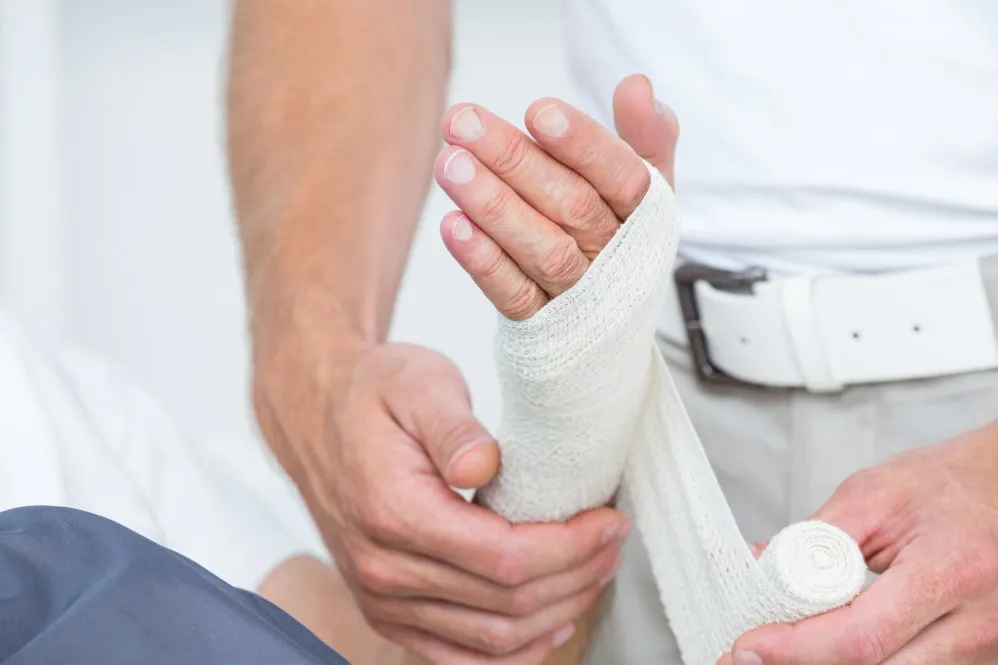
Whether surgery is performed for a fracture, tendon injury, nerve injury, arthritis, or another hand condition, recovery is a gradual process that extends beyond the operating room. Understanding what to expect after surgery helps patients participate actively in their rehabilitation and achieve the best possible outcome.
Recovery timelines differ for every individual. Factors such as the type of surgery, age, general health, the severity of the original condition, and commitment to rehabilitation all influence healing. While every case is unique, most recovery plans follow similar stages.
Immediately After Surgery
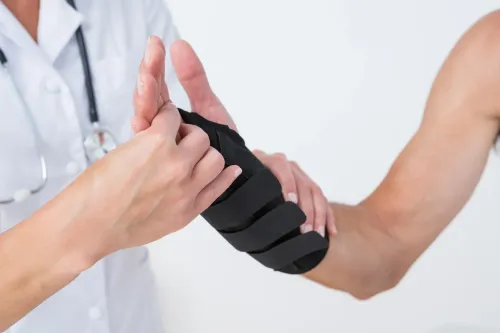
Following surgery, the hand may be placed in a dressing, splint, or cast to protect the repaired structures. Mild swelling and discomfort are common during the initial days and are managed according to the surgeon's instructions.
Patients are usually advised to:
- Keep the hand elevated
- Move unaffected fingers as instructed
- Protect the surgical area
- Attend scheduled follow-up visits
- Report excessive pain or swelling promptly
The Role of Rehabilitation
One of the most important parts of recovery is hand therapy. Depending on the condition treated, rehabilitation may include:
- Gentle range-of-motion exercises
- Strengthening exercises
- Scar management techniques
- Grip training
- Dexterity exercises
- Functional activity retraining
Starting exercises at the correct stage is important. Beginning too early or delaying rehabilitation unnecessarily may affect the final outcome.
Returning to Everyday Activities
Recovery milestones vary between patients. Some individuals resume light office work within a few weeks, while physically demanding jobs may require a longer recovery period. Driving, sports, lifting heavy objects, and repetitive activities should only be resumed after medical clearance.
Patients can support recovery by:
- Following rehabilitation instructions consistently
- Attending all review appointments
- Maintaining a balanced diet
- Avoiding smoking where possible
- Protecting the healing hand from additional injury
Warning Signs That Need Medical Attention
Although most recoveries progress smoothly, patients should seek medical advice if they notice:
- Increasing pain instead of gradual improvement
- Fever
- Persistent wound drainage
- Severe swelling
- Loss of finger movement
- New numbness or discoloration
Prompt review allows potential complications to be addressed early.
For people in Lalbaug, returning to work, commuting, and household activities often depends on regaining reliable hand function. Structured rehabilitation and regular follow-up can help patients recover safely while minimizing stiffness and weakness.
Dr Nikita Shetty Orthopaedic Surgeon guides patients through every stage of recovery, from the initial diagnosis and treatment to postoperative rehabilitation. Recovery plans are tailored to the procedure performed and the individual's functional goals, helping patients regain confidence in using their hand for everyday activities.
Successful hand surgery is only one part of the journey. Consistent rehabilitation, realistic expectations, and close communication with your treating specialist all contribute to restoring movement, strength, and long-term function.
Keywords