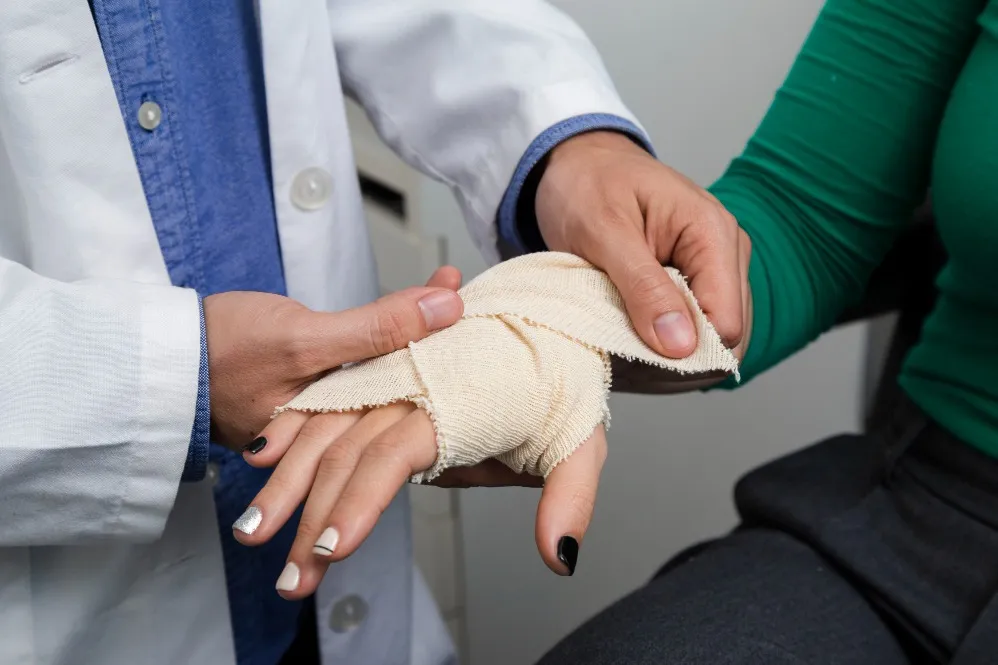
A wrist or hand fracture can happen after a road accident, sports injury, fall, workplace incident, or even a seemingly minor impact. While some fractures can be managed with a splint or cast, others need closer assessment because the small bones and joints of the hand must heal in good alignment for comfortable movement and grip.
Consulting a Wrist and Hand Fracture surgeon in South Mumbai can be particularly important when the fracture is displaced, involves a joint, affects multiple bones, or is associated with numbness, deformity, or significant swelling.
Signs That a Fracture Needs Prompt Assessment
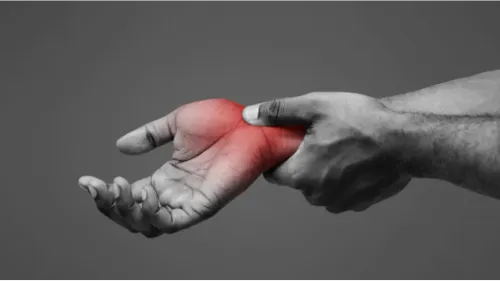
Not every wrist injury looks dramatic. In some cases, a person may still be able to move the fingers despite having a fracture. Medical evaluation becomes important when symptoms include:
- Persistent wrist or hand pain after an injury
- Rapid swelling or bruising
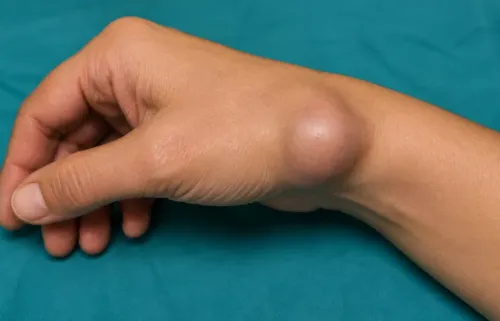
- Visible change in shape or alignment
- Difficulty gripping or holding objects
- Pain when rotating or bending the wrist
- Numbness or tingling in the fingers
- Tenderness that does not improve
- An open wound near the injured area
An X-ray is commonly used to identify fractures, although additional imaging may sometimes be considered depending on the suspected injury.
Why Fracture Alignment Matters
The hand contains numerous small bones, joints, tendons, ligaments, nerves, and blood vessels within a compact area. A fracture that heals in an unsuitable position can affect movement, grip strength, joint mechanics, or finger coordination.
Treatment therefore depends on more than simply confirming that a bone is broken. The surgeon considers the location of the fracture, displacement, stability, joint involvement, soft-tissue condition, age, occupation, and functional requirements of the patient.
Does Every Hand Fracture Require Surgery?
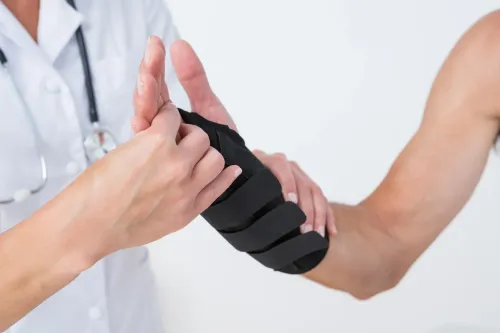
No. Stable fractures with acceptable alignment may be treated using immobilisation with a splint or cast followed by appropriate rehabilitation.
Surgical treatment may be considered when a fracture is unstable, significantly displaced, involves an important joint surface, cannot maintain alignment in a cast, or is associated with other injuries. Depending on the fracture, fixation may involve pins, screws, plates, or other techniques.
The decision should be individualised rather than based only on the appearance of the initial X-ray.
Recovery Is More Than Bone Healing
After the fracture becomes stable, restoring movement is an important part of recovery. Prolonged stiffness can affect the wrist, fingers, and grip, particularly after complex injuries.
For patients across South Mumbai and Maharashtra, timely assessment can help establish the correct diagnosis and a suitable treatment plan. Dr Nikita Shetty Orthopaedic Surgeon evaluates wrist and hand fractures with attention to both bone healing and functional recovery.
If pain, swelling, deformity, or restricted movement continues after a wrist or hand injury, an orthopaedic assessment can clarify whether immobilisation alone is sufficient or whether more specialised treatment is required.
Keywords