Many people living with Carpal Tunnel Syndrome initially notice occasional tingling in their fingers or numbness during the night. Because the symptoms often come and go, it is common to delay seeking medical advice. However, when nerve compression continues over time, permanent weakness and loss of sensation may develop. Understanding when surgery becomes an option can help patients make informed decisions about treatment.
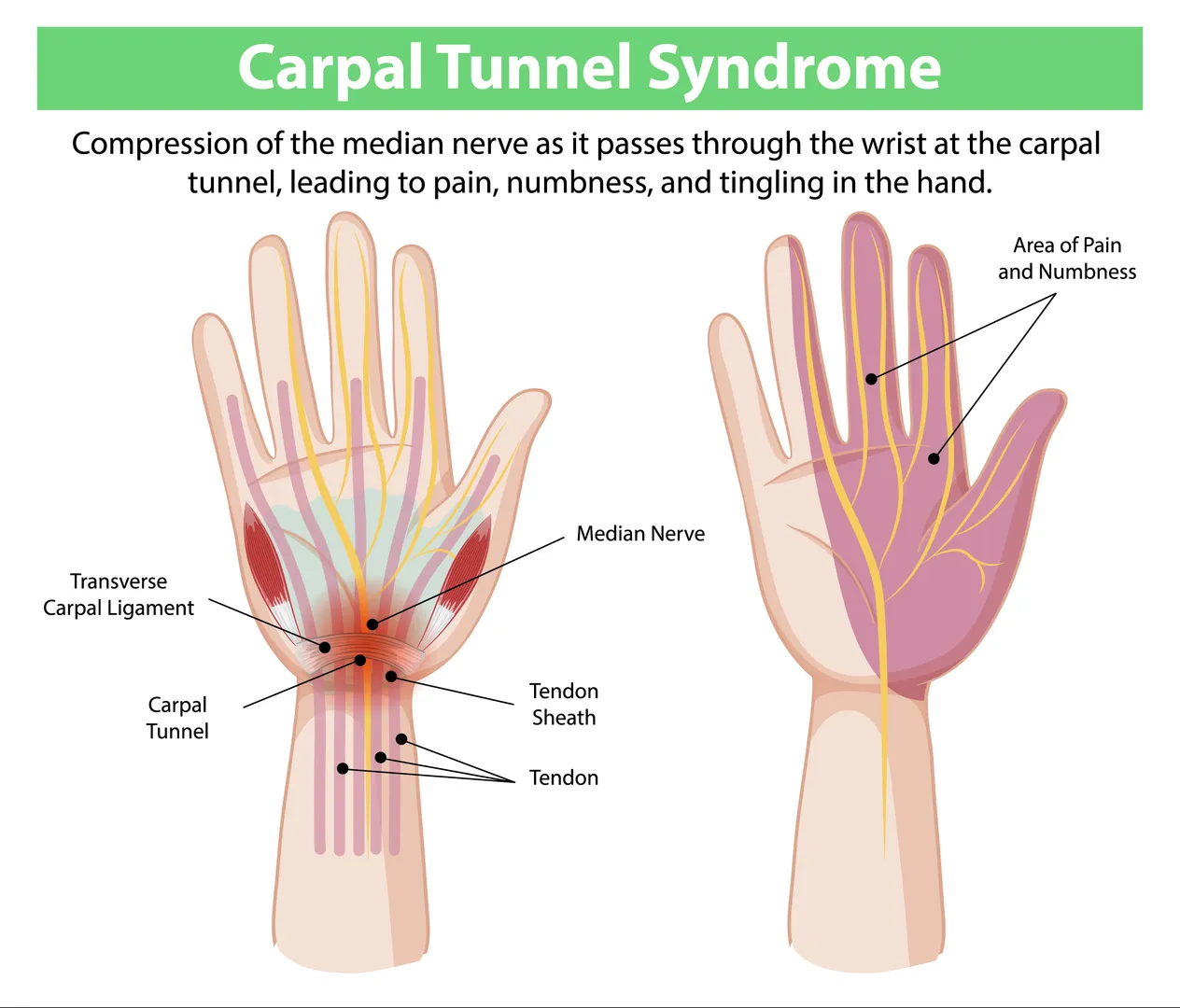
Carpal Tunnel Syndrome occurs when the median nerve is compressed inside the narrow passageway at the wrist known as the carpal tunnel. As pressure on the nerve increases, symptoms usually become more frequent and more severe.
Early symptoms often include:
- Tingling in the thumb, index, middle, and ring fingers
- Numbness during sleep
- Pain that extends into the forearm
- Difficulty holding a phone or steering wheel
- Temporary relief after shaking the hand
As the condition progresses, patients may also experience:
- Weak grip strength
- Frequent dropping of objects
- Difficulty buttoning clothes
- Reduced thumb strength
- Persistent numbness throughout the day
- Muscle wasting at the base of the thumb in advanced cases
Most patients begin with conservative treatment. Depending on symptom severity, this may include:
- Wrist splints
- Activity modification
- Ergonomic workplace adjustments
- Anti-inflammatory medication when appropriate
- Corticosteroid injections in selected patients
- Physiotherapy
These measures often help individuals with mild or moderate symptoms. However, surgery may be considered when:
- Symptoms persist despite conservative treatment
- Nerve conduction studies show significant compression
- Hand weakness continues to worsen
- Constant numbness develops
- Daily activities become difficult
- Sleep is regularly disturbed by symptoms
The surgical procedure involves releasing the ligament that forms the roof of the carpal tunnel, thereby reducing pressure on the median nerve. The objective is to prevent further nerve damage and improve hand function.
Recovery varies depending on the duration and severity of nerve compression before surgery. Many patients gradually return to daily activities over several weeks, although complete nerve recovery may take longer in longstanding cases.
In a city like Chembur, where many professionals spend extended hours using computers, mobile devices, and repetitive hand movements, recognizing worsening symptoms early can help avoid long-term complications.
Dr Nikita Shetty Orthopaedic Surgeon carefully evaluates patients with Carpal Tunnel Syndrome using clinical examination and diagnostic investigations before recommending treatment. Surgery is considered only when it is clinically appropriate and after discussing the expected benefits, recovery process, and rehabilitation requirements.
Persistent numbness should never be accepted as a normal consequence of work or aging. Early evaluation provides an opportunity to manage nerve compression before permanent damage occurs.
Keywords