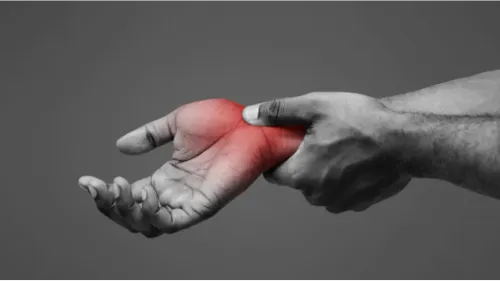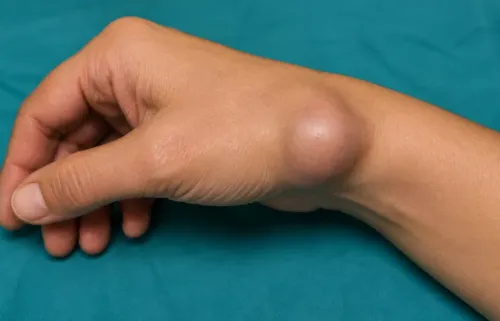
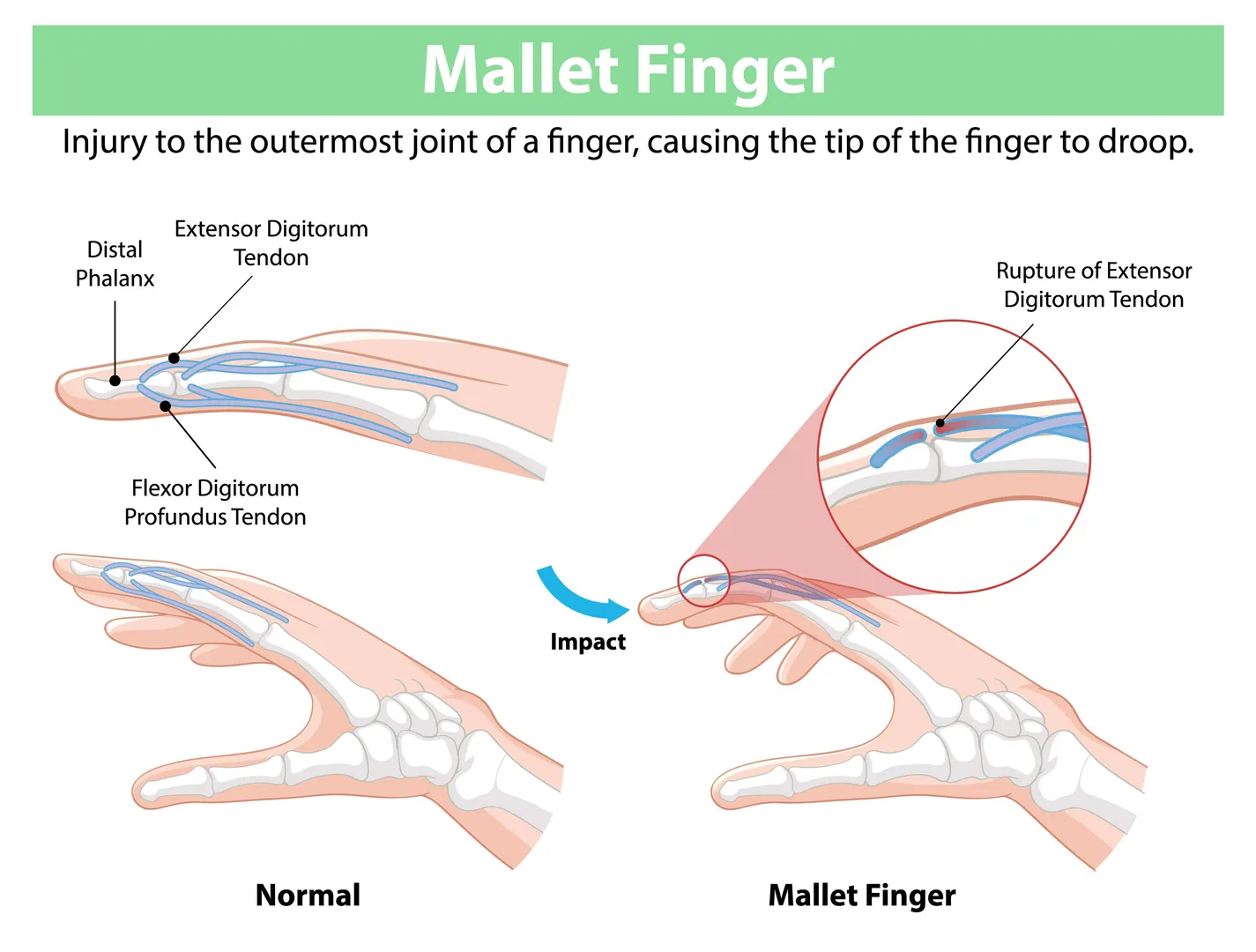
A hand or wrist deformity can affect much more than appearance. Depending on its cause and severity, altered alignment may interfere with gripping, writing, lifting, dressing, typing, or other everyday activities.
Wrist and Hand Deformity Correction involves assessing why the deformity has developed, how it affects function, and whether conservative treatment or corrective surgery may be appropriate.
What Can Cause a Hand or Wrist Deformity?
Deformities can develop for several reasons. Some are present from an early age, while others appear after an injury or disease.
Common causes include:
- A previous fracture that healed in an altered position
- Joint damage following trauma
- Arthritis-related changes
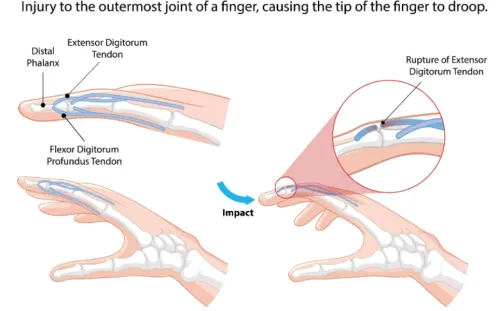
- Tendon imbalance or injury
- Nerve-related muscle imbalance
- Congenital differences
- Contractures and soft-tissue problems
- Previous infection or surgery
Because the underlying causes vary considerably, treatment cannot be planned from appearance alone.
How Is the Problem Evaluated?
Assessment generally begins with a detailed examination. The surgeon may evaluate joint movement, finger position, grip, sensation, tendon function, stability, and the effect of the deformity on daily activities.
X-rays can show bone alignment and joint changes. In selected situations, other investigations may be required to understand tendon, ligament, nerve, or soft-tissue involvement.
One important question is whether the deformity is flexible or fixed. A flexible deformity may respond differently to treatment than a longstanding rigid deformity.
What Does Correction Involve?
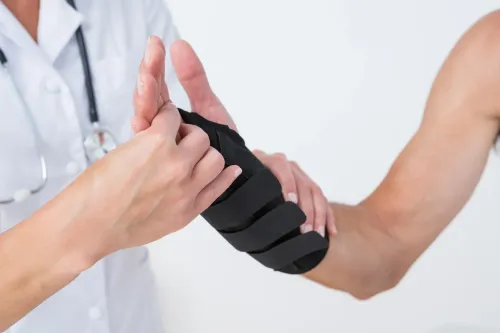
Correction does not always mean surgery. Mild problems that do not significantly affect function may be managed through observation, splinting, therapy, activity modification, or treatment of the underlying condition.
When surgery is considered, the procedure depends entirely on the structure causing the problem. Treatment may involve correcting bone alignment, releasing contracted tissues, reconstructing tendons, stabilising joints, or addressing associated nerve problems.
The objective is usually to improve useful function and alignment rather than simply change appearance.
Why Timing Can Matter
A deformity that develops after an injury may become more difficult to address once tissues become stiff or a fracture heals in an unsuitable position. Conversely, not every deformity needs immediate surgical correction.
People in Dadar frequently depend heavily on their hands for computer work, industrial tasks, driving, household activities, healthcare work, music, and numerous skilled occupations. Functional requirements therefore form an important part of treatment planning.
Dr Nikita Shetty Orthopaedic Surgeon assesses wrist and hand deformities by considering their cause, severity, symptoms, and impact on function. A detailed evaluation can help determine whether treatment is necessary and which approach is appropriate for the individual condition.
Keywords