The tendons in your hand are responsible for every smooth movement you make, from holding a coffee cup to typing on a keyboard or fastening a shirt button. When one of these tendons is injured, even simple tasks can become difficult. Tendon Injuries may occur suddenly after trauma or develop gradually because of repetitive strain, and timely treatment plays an important role in preserving hand function.
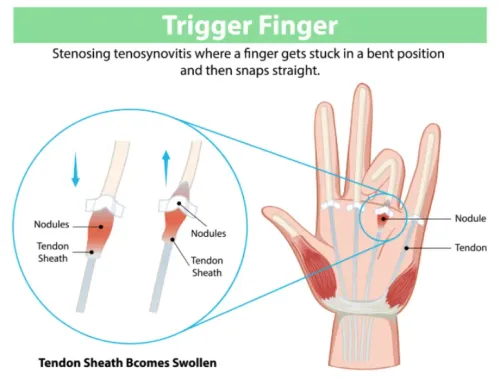
Tendons are strong bands of tissue that connect muscles to bones. In the hand and wrist, they allow the fingers and thumb to bend and straighten with precision. A cut from a sharp object, a sports injury, a fall, or excessive force can partially or completely damage these structures. In some cases, the injury is obvious, while in others it may initially seem minor despite affecting movement significantly.
Common symptoms of a tendon injury include:
- Difficulty bending or straightening one or more fingers
- Pain during hand movement
- Swelling around the injured area
- Weak grip strength
- A finger that remains in an unusual position
- Tenderness along the tendon
- Difficulty lifting or holding objects
Not every tendon injury causes severe pain. Some people notice only a loss of movement, making it easy to mistake the problem for a simple sprain. Delaying treatment can allow the tendon ends to retract, making later repair more complex.
A specialist evaluation usually includes understanding how the injury occurred, assessing finger movement, testing tendon function, and obtaining imaging studies when needed. The goal is to determine whether the tendon is partially torn, completely ruptured, or associated with fractures or nerve injuries.
Treatment depends on the type and severity of the injury. It may involve:
- Protective splinting
- Wound care for open injuries
- Hand therapy
- Surgical tendon repair
- Rehabilitation exercises to restore movement
- Regular follow-up to monitor healing
Rehabilitation is often as important as the surgery itself. Carefully guided exercises help prevent stiffness while protecting the repaired tendon during healing.
People in Wadala frequently rely on their hands for office work, industrial jobs, healthcare services, creative professions, and household responsibilities. Restoring hand movement quickly and safely is essential for returning to everyday life with confidence.
Dr Nikita Shetty Orthopaedic Surgeon evaluates tendon injuries with a comprehensive approach, considering the extent of the damage, associated injuries, and the patient's functional requirements before recommending treatment. Individualized rehabilitation plans are also an important part of recovery.
If you are unable to move a finger normally after an injury, do not assume it will improve on its own. Early assessment can help preserve tendon function and improve the chances of regaining normal hand movement.
Keywords