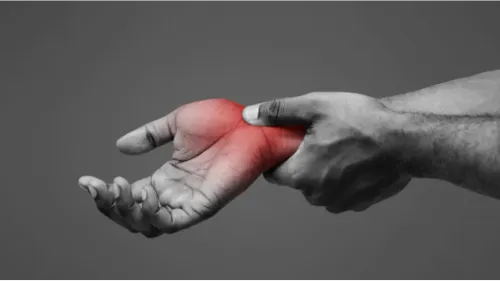

A fall, sports injury, road accident, or even a simple slip at home can result in pain around the wrist or hand. While many people assume that the discomfort is only a sprain, fractures involving the small bones, joints, or surrounding structures of the hand can sometimes be difficult to recognize without proper medical evaluation. Knowing when to consult a Wrist & Hand Fracture Surgeon can help ensure timely treatment and reduce the risk of long-term complications.
The wrist and hand contain numerous bones, joints, ligaments, tendons, and nerves that work together to perform everyday activities. Even a minor fracture can affect grip strength, finger movement, and overall hand function if it is not managed correctly. Some fractures remain stable and heal well with immobilization, while others may require specialized care to restore normal alignment.
Common signs that may indicate a wrist or hand fracture include:
- Sudden pain after an injury
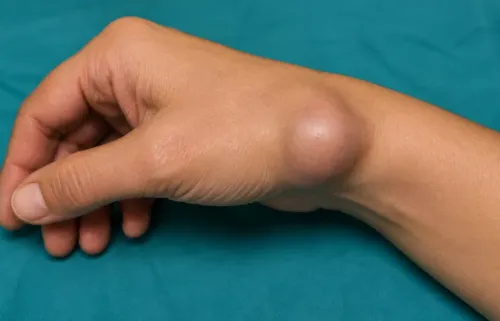
- Swelling around the wrist, palm, or fingers
- Difficulty moving the hand or fingers
- Tenderness when touching the injured area
- Bruising or discoloration
- Visible deformity in severe cases
- Reduced grip strength
- Pain that worsens when attempting daily tasks
It is important to remember that not every fracture causes obvious deformity. Hairline fractures and certain wrist fractures may initially feel similar to a sprain, making medical assessment essential when symptoms persist.
A specialist typically begins by understanding how the injury occurred, followed by a detailed physical examination. Imaging tests such as X-rays are commonly used to identify fractures, while CT scans or MRI may be recommended for more complex injuries involving joints, ligaments, or multiple bone fragments.
Treatment depends on several factors, including the location of the fracture, the degree of displacement, patient age, activity level, and overall health. Management may include:
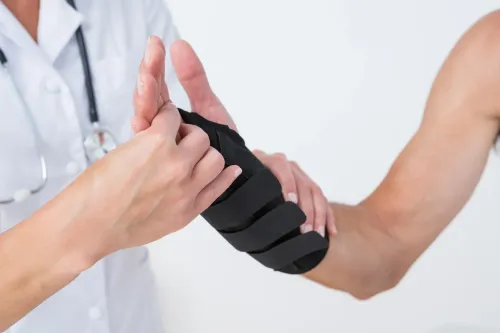
- Protective splints or casts
- Pain management
- Regular follow-up imaging
- Hand rehabilitation exercises
- Surgical fixation when necessary
Early treatment helps restore proper bone alignment and minimizes the chances of stiffness, reduced mobility, or arthritis developing later.
People in South Mumbai often lead active lifestyles that involve commuting, office work, sports, and household responsibilities. Because the hands are used continuously throughout the day, even a relatively small fracture can interfere with work and routine activities. Seeking timely assessment allows an appropriate treatment plan to begin before complications arise.
Dr Nikita Shetty Orthopaedic Surgeon evaluates wrist and hand injuries using a patient-focused approach, helping determine whether conservative care or surgical management is the most suitable option. The emphasis is always on restoring movement, improving function, and supporting safe recovery based on the individual's injury.
Ignoring persistent pain after a fall or impact is never advisable. If swelling, restricted movement, or ongoing discomfort continues beyond the initial injury, consulting a Wrist & Hand Fracture Surgeon can provide clarity about the diagnosis and the next steps toward recovery.
Keywords